
© Andrew Brown/2024/Laos
On my last morning in Laos, my alarm went off at 5am. I’d spent the last week visiting UNICEF nutrition projects in rural Nan District during the hottest month of the year, and I was very tempted to hit snooze and go back to sleep. However, I also knew that if I did, I’d beat myself up about it later. So I dragged myself out of bed, grabbed my camera, and headed out to the front of my hotel, where I got a tuk-tuk through the gradually lightening streets to the main temple district of Luang Prabang. My objective was to see Tak Bat, or the morning alms giving ceremony, which I’d first witnessed a decade before, during my first time living and working in Asia.
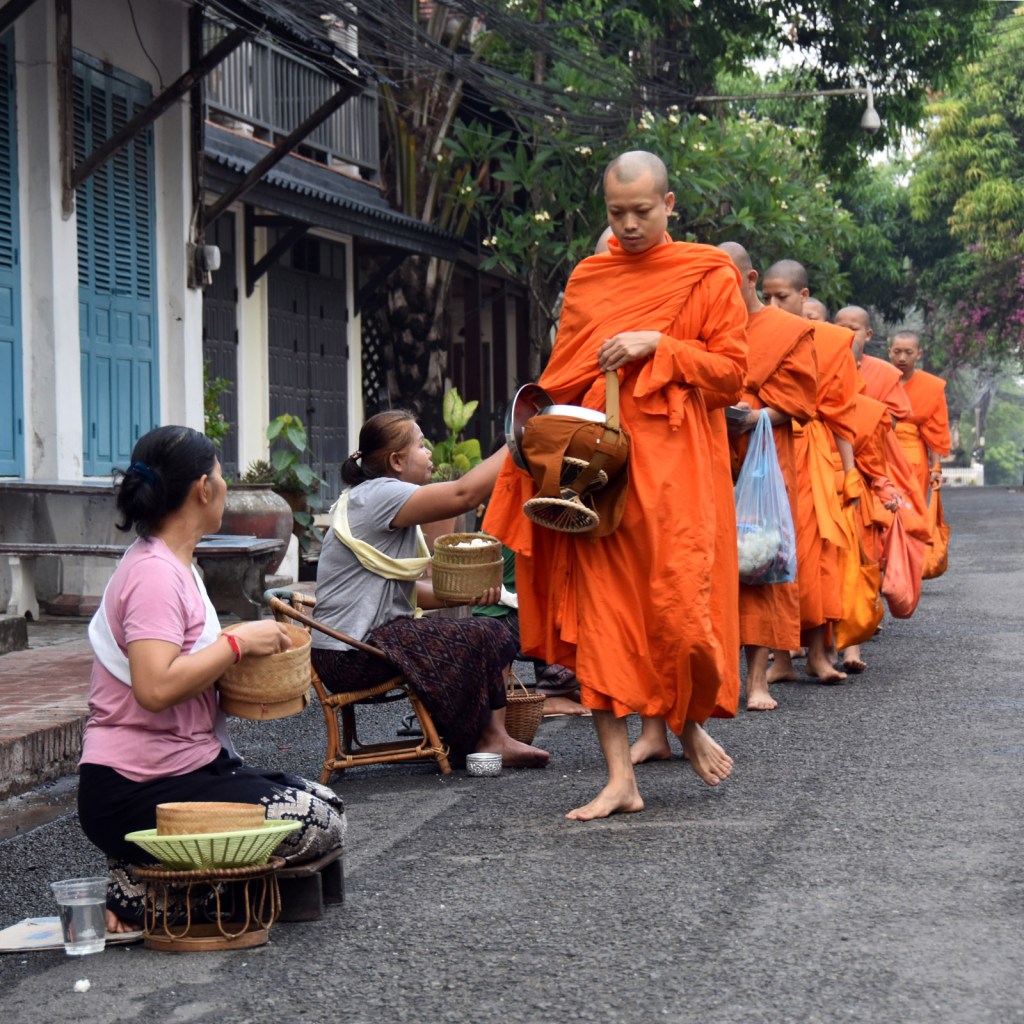
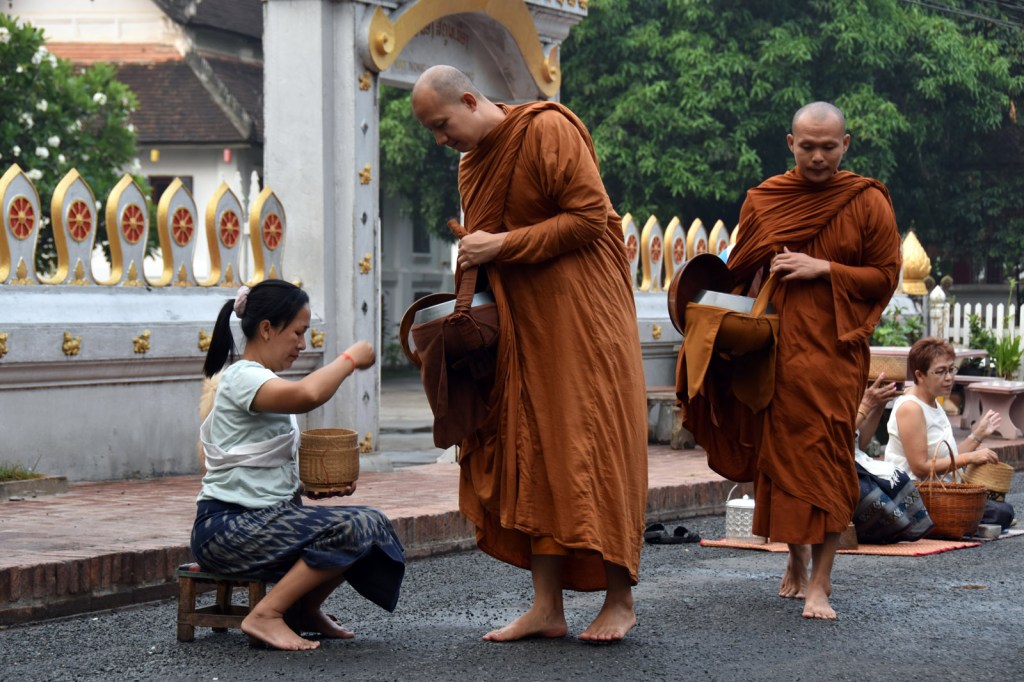
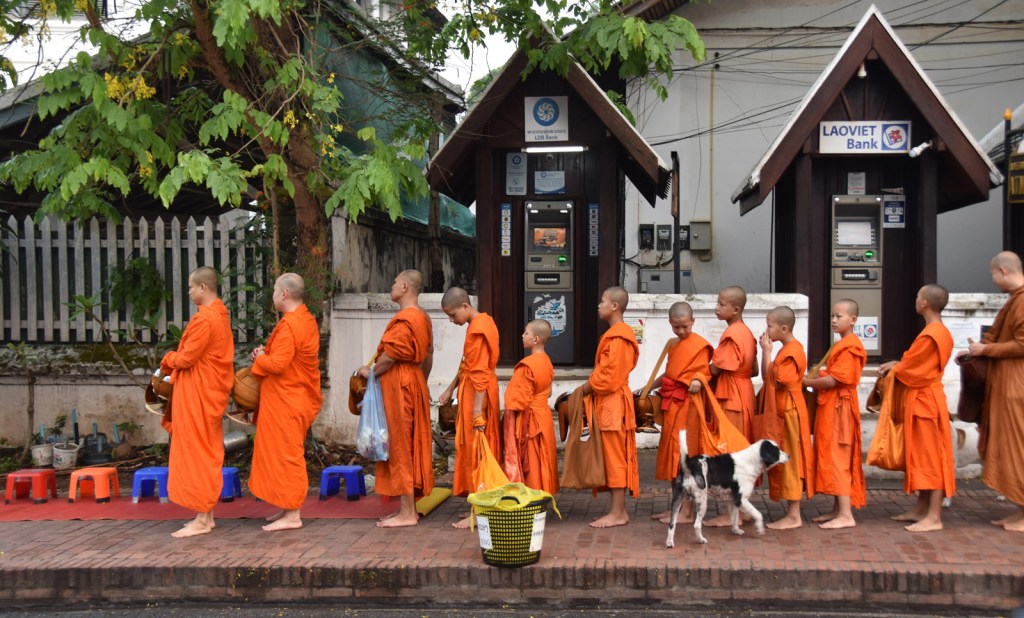
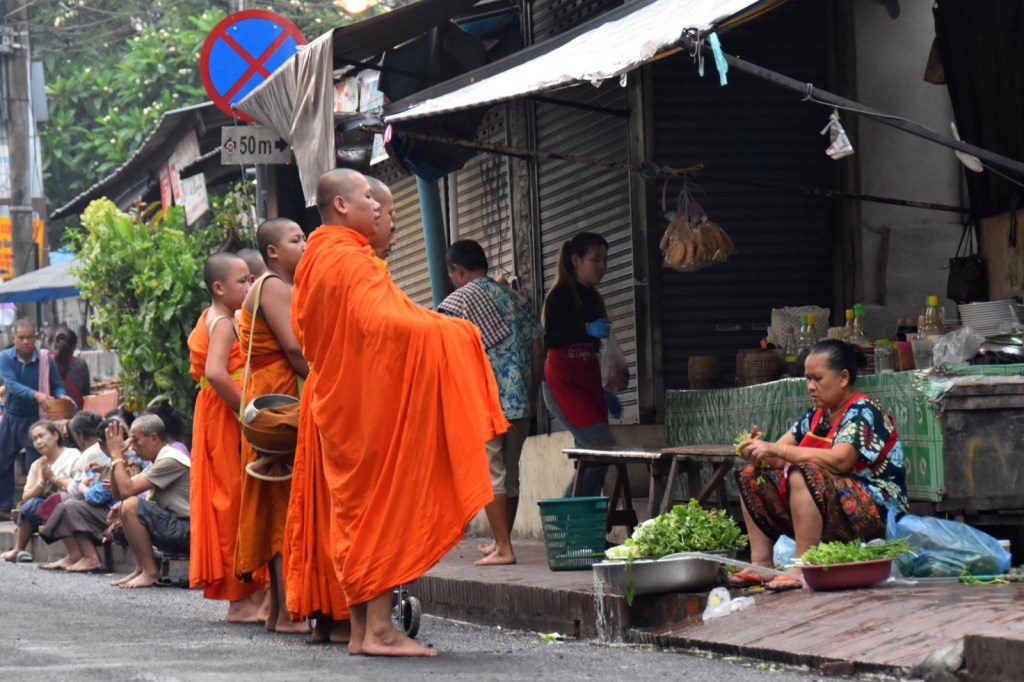
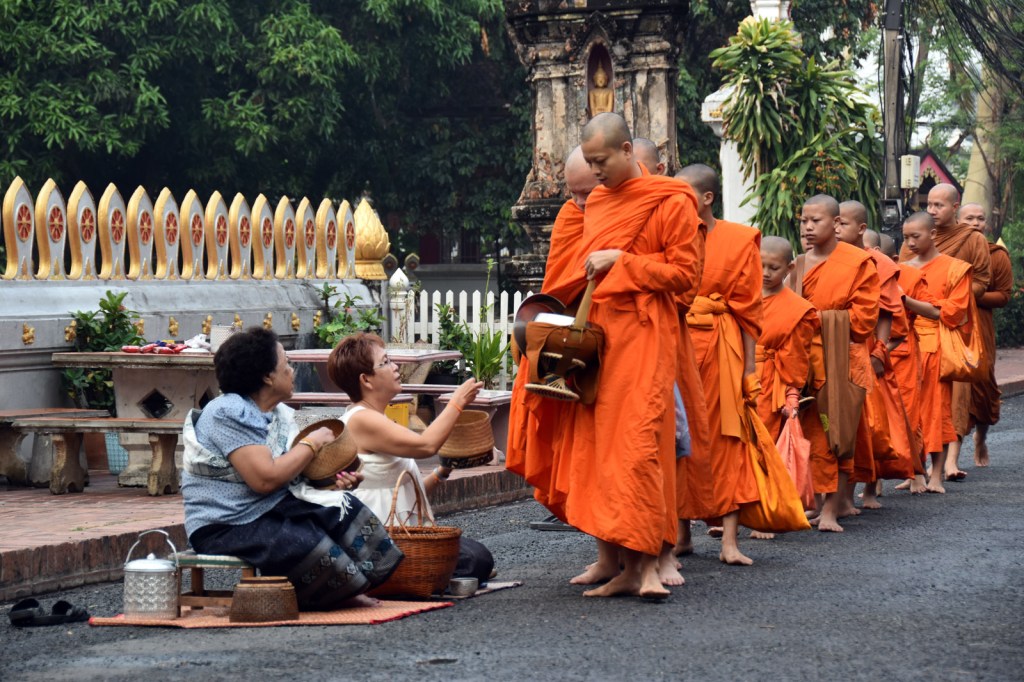
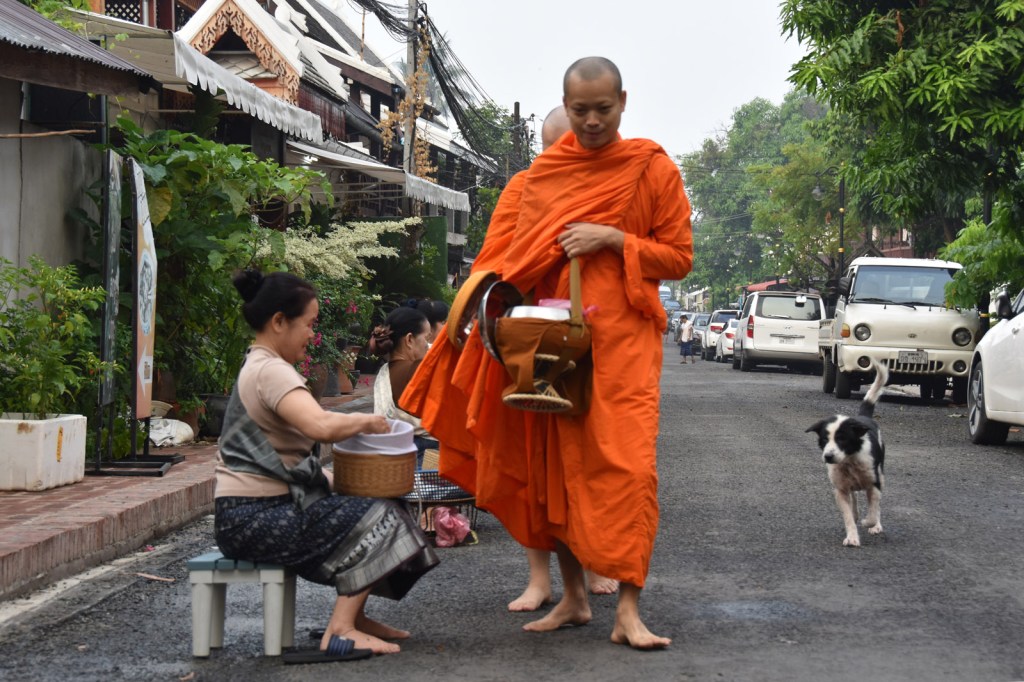
I didn’t have to wait long before a line of barefoot, orange-clad monks – many of them children – emerged from one of the temples and started walking down the road. Every few metres, they passed a local, generally from the older generation, knelt by the side of the road wearing a shoulder sash and holding a bowl of rice. As the monks walked past, each person placed a handful of rice in their bowls and bowed their head respectfully. As well as providing food for the monks, this is also a way for people to “make merit” or accumulate good karma. The ceremony was exactly the same as when I visited in 2012 – and presumably for hundreds of years before that.

© Andrew Brown/2024/Laos
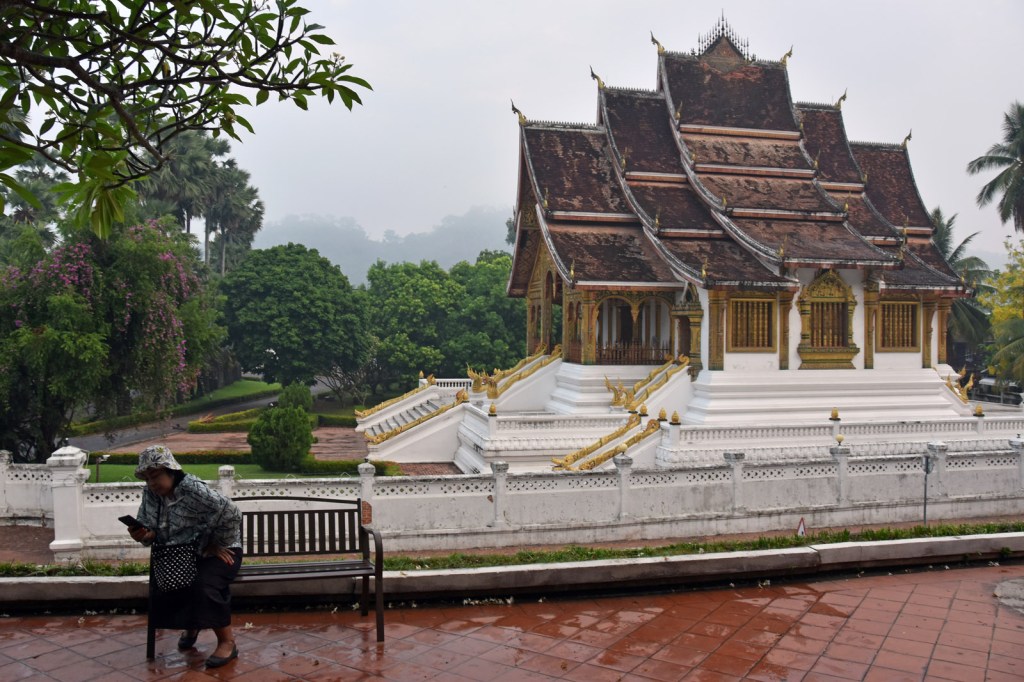
Sitting on a bend in the Mekong river and surrounded by dense rainforest, Luang Prabang is the former royal capital of Laos. It’s also a UNESCO World Heritage Site and has been protected from the development and modernization that is rapidly gathering pace in other parts of the country. It’s easy to slip back in time and imagine yourself in a much earlier version of the town.
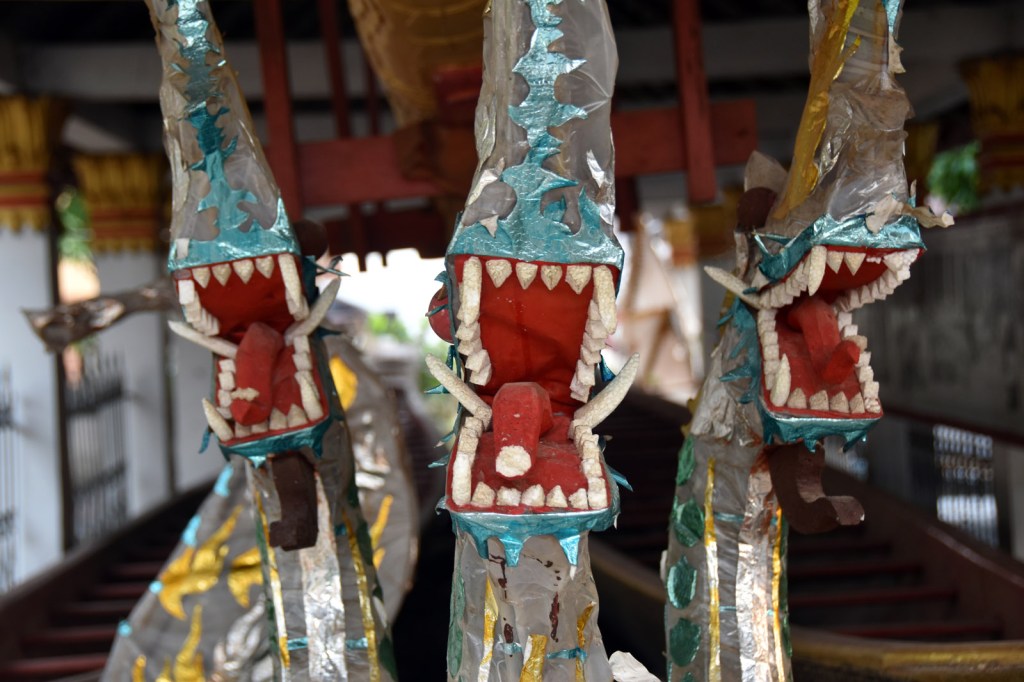
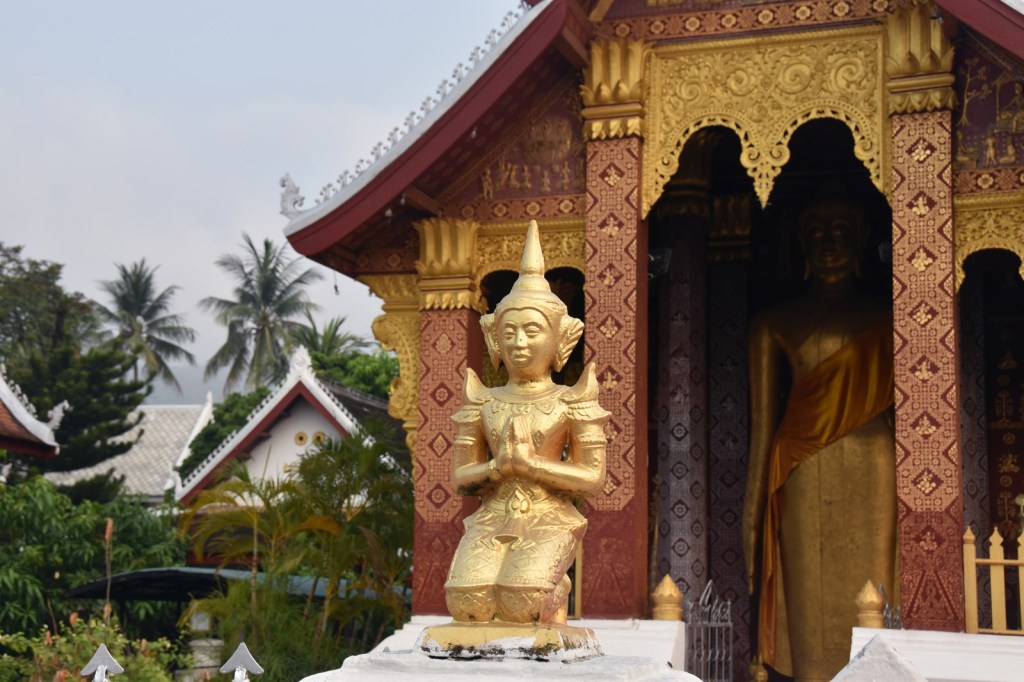
There was an area on the main street where tourists congregated, which I largely avoided. Instead, I found my own spots down less visited side streets. Following official guidance, I stayed well back and took photos from a distance with a zoom lens, so as not to disturb the monks. As I was wandering around the old town, I also took a number of monkless photos, including of tuk-tuks, temples and spirit houses – the latter an animist practice for making offerings to ancestors and troublesome spirits, which predates Buddhism and now coexists alongside it.
Here are some of my favourite photos from the morning, with the benefit of a better camera than in 2012, and more practice:
© Andrew Brown/2024/Laos
© Andrew Brown/2024/Laos
© Andrew Brown/2024/Laos

© Andrew Brown/2024/Laos
© Andrew Brown/2024/Laos

© Andrew Brown/2024/Laos

© Andrew Brown/2024/Laos

© Andrew Brown/2024/Laos
© Andrew Brown/2024/Laos

© Andrew Brown/2024/Laos
© Andrew Brown/2024/Laos
© Andrew Brown/2024/Laos

© Andrew Brown/2024/Laos
© Andrew Brown/2024/Laos
© Andrew Brown/2024/Laos

© Andrew Brown/2024/Laos

© Andrew Brown/2024/Laos

© Andrew Brown/2024/Laos

© Andrew Brown/2024/Laos

© Andrew Brown/2024/Laos

 Beneath the Baobab