© Andrew Brown/2025/China
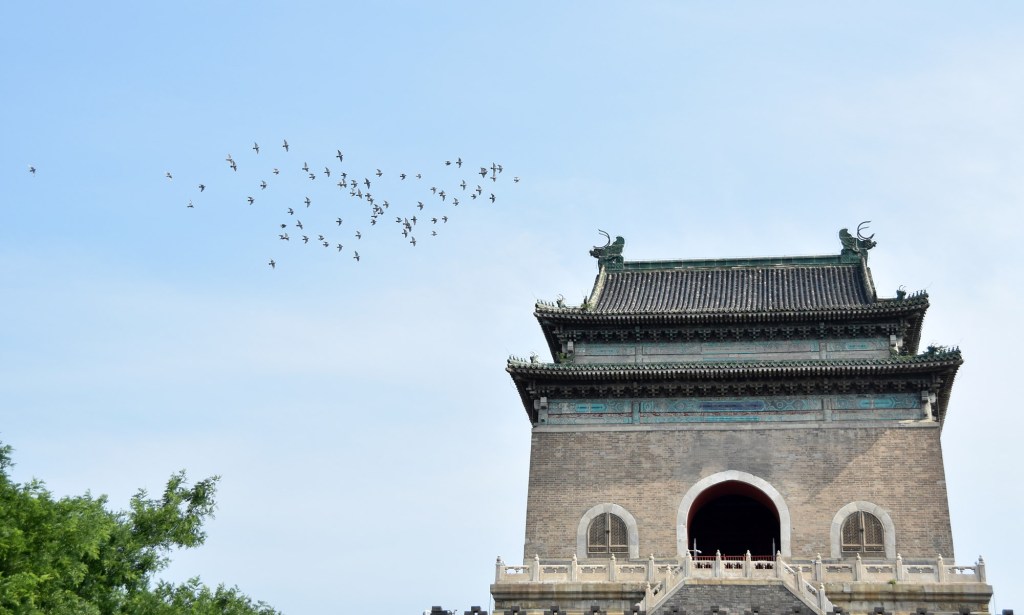
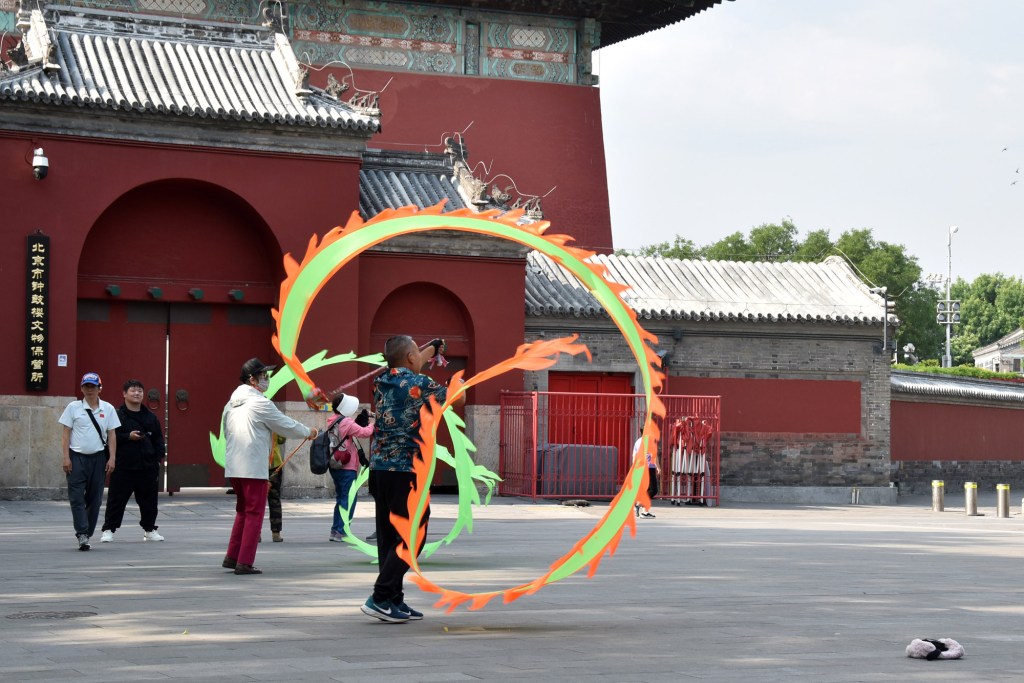
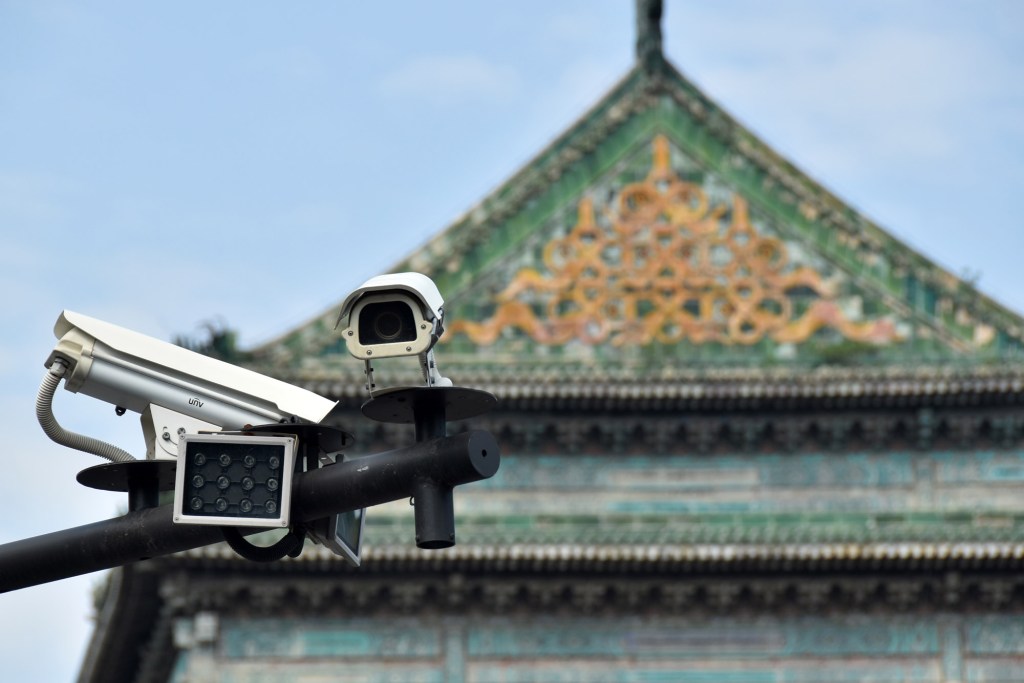
This year, I’ve continued to explore Beijing’s historic hutongs. My first photo walk of the year was in May, with some friends from work. We started early at the Bell and Drum Towers, which were used in imperial times to announce the time of day. From the towers, we explored the narrow side streets, looking for interesting details of local life. Although this can be a busy tourist area later in the day, at 8am on a Sunday morning the square between the two towers is mainly used by local people for exercise. We saw groups of older people practicing tai chi, some of them in traditional costumes and armed with fencing swords or spears. Others performed a colourful ribbon dance, swirling long strips of fabric around in time to Chinese pop music from a portable stereo.

© Andrew Brown/2025/China
© Andrew Brown/2025/China
© Andrew Brown/2025/China
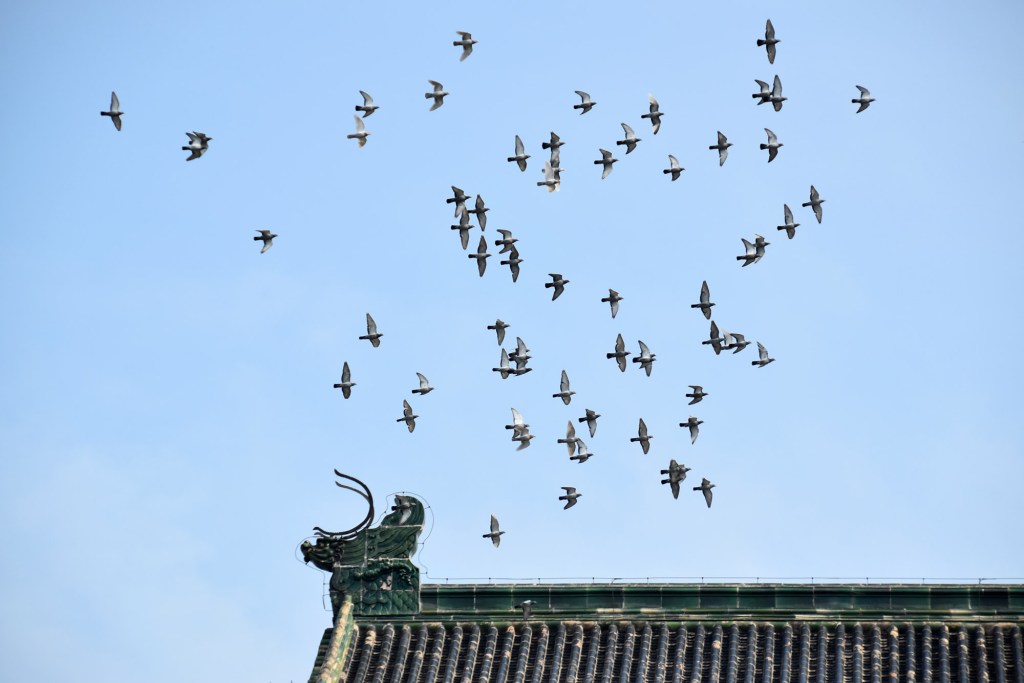
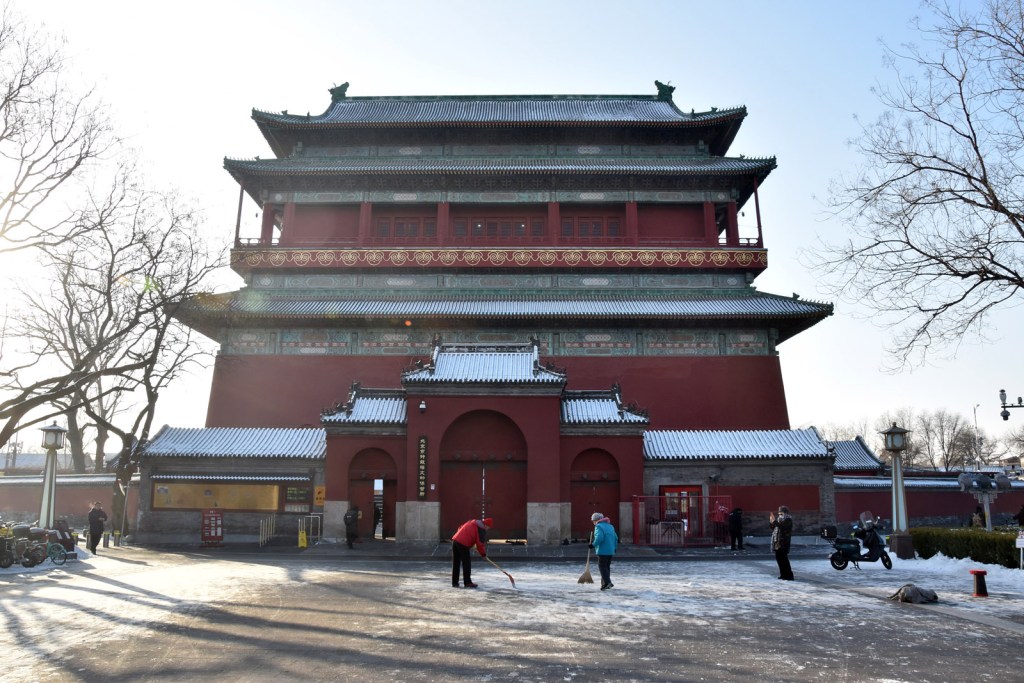
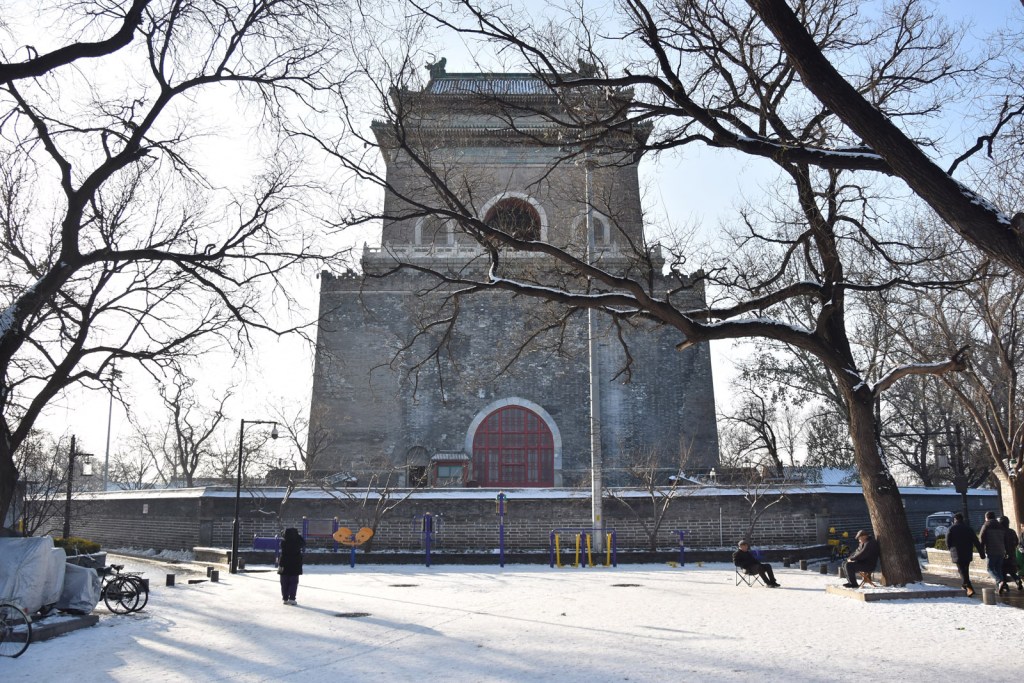
During the Yuan, Ming and Qing dynasties, these two towers dominated the Beijing skyline. The Drum Tower once housed a main drum plus 24 smaller drums, used to announce the time, of which only the main drum now remains. First built in 1272, the towers tolled the time daily for over six hundred years until 1924, when the last emperor of the Qing Dynasty was overthrown and citizens of the new Republic switched to clocks for timekeeping. In the 1980s, the towers reopened as tourist attractions.

© Andrew Brown/2025/China
© Andrew Brown/2025/China
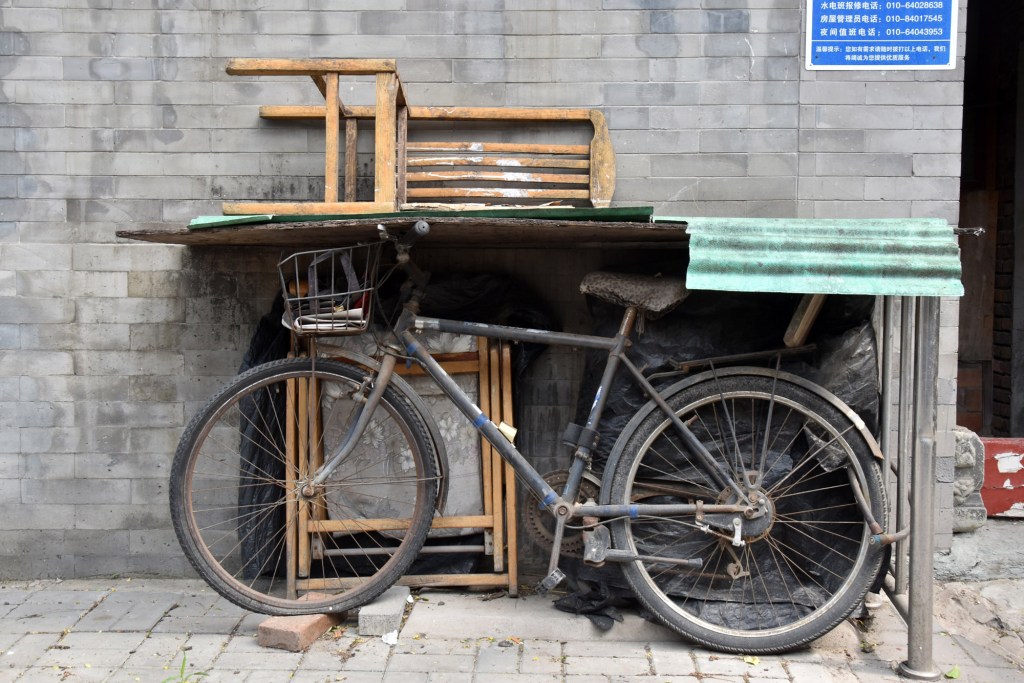
© Andrew Brown/2025/China
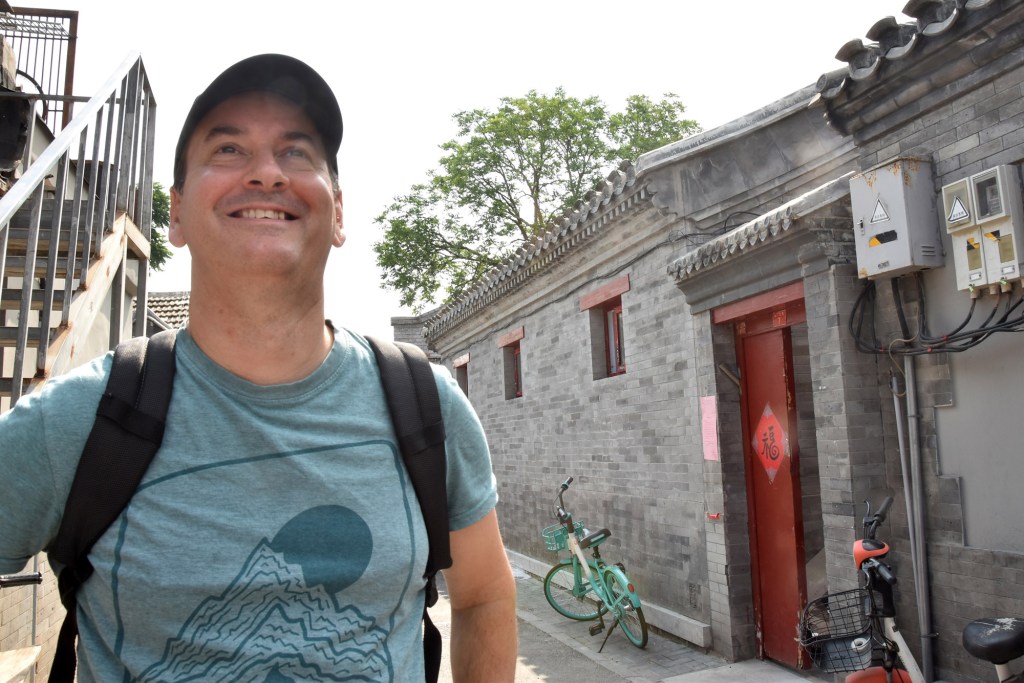
© Saisha Hayes/2025/China
Lakeside hutongs
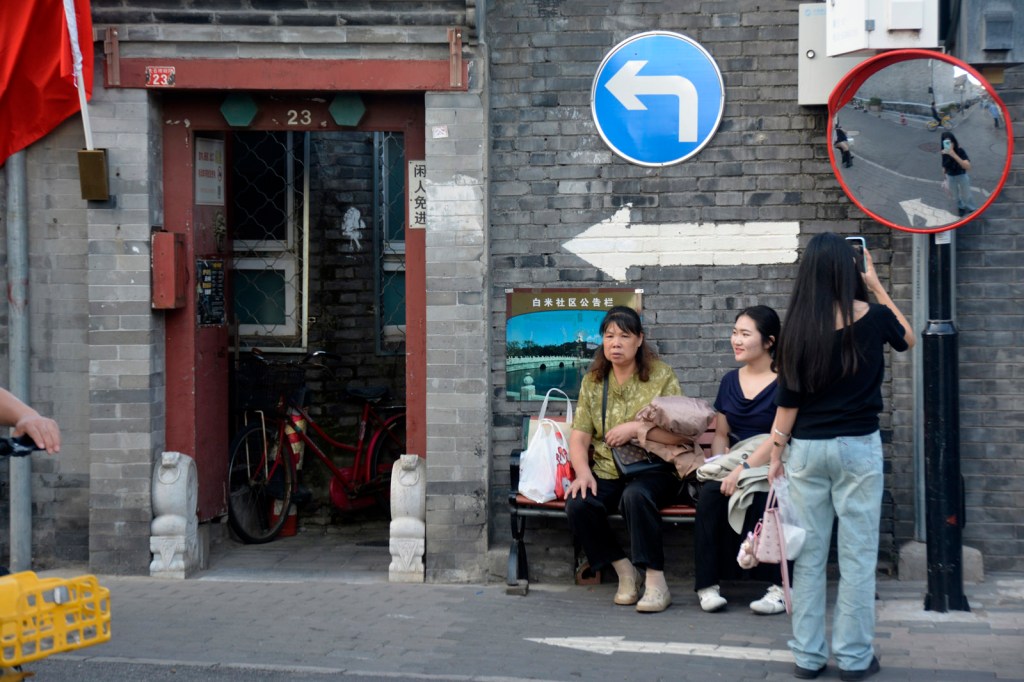
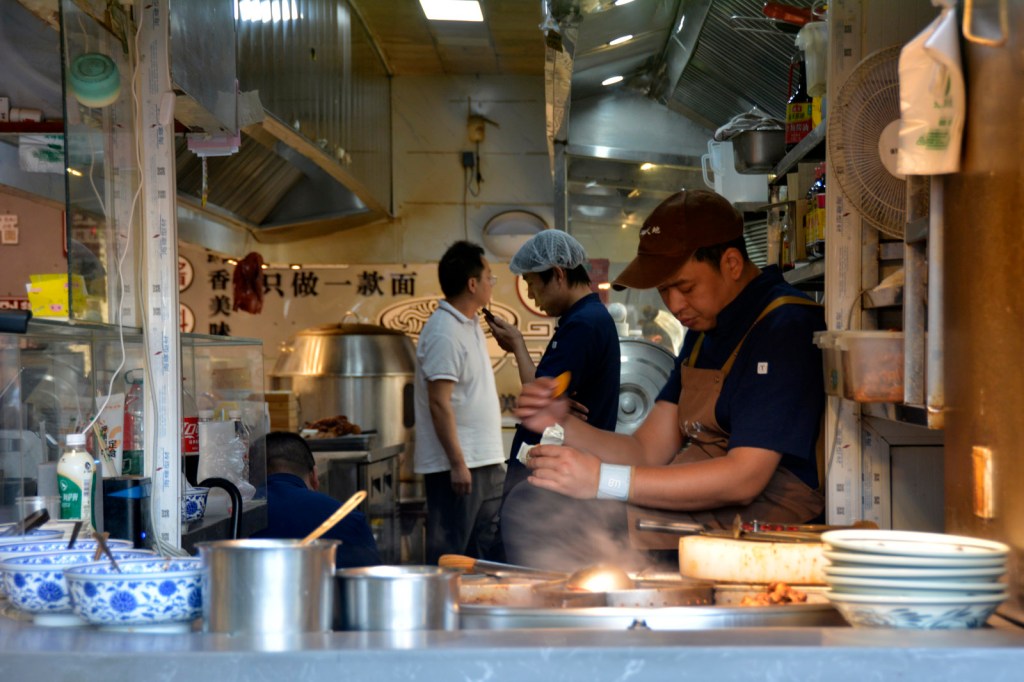
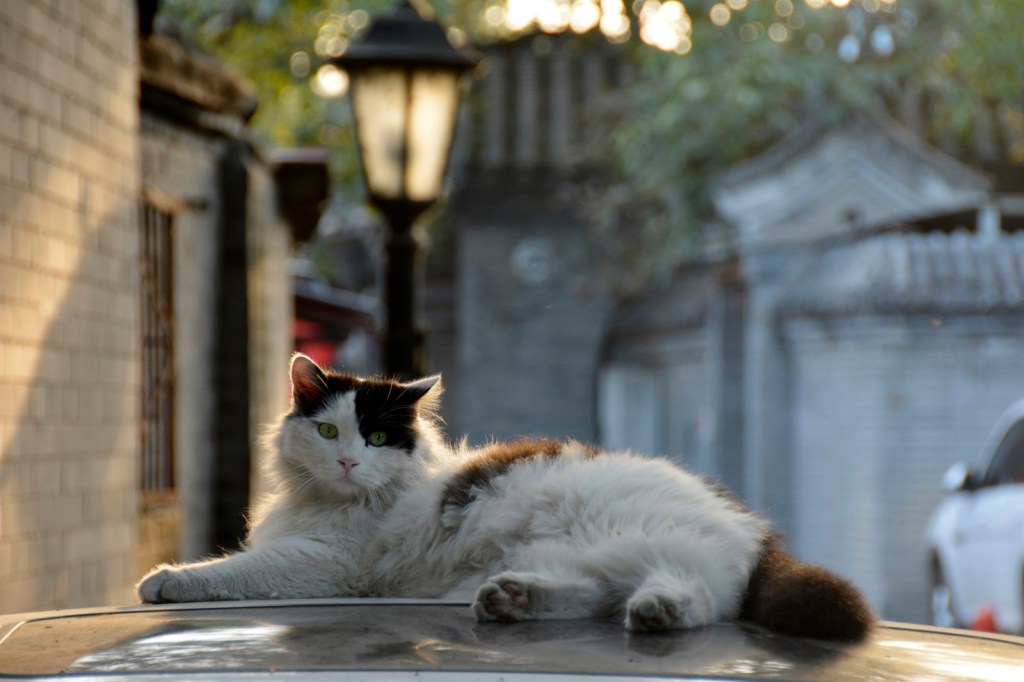
In October, just before the mid-autumn festival and national holiday, I returned to visit the hutongs alongside Houhai Lake, close to the Drum and Bell Tower. The lakeside is a popular area in the evenings, full of bars, restaurants and souvenir stalls. But as is often the case with Beijing hutongs, you only have to go a few blocks back to find quiet local neighbourhoods that seem unchanged for decades and miles away from the hustle and bustle that is in fact just a few hundred metres away.
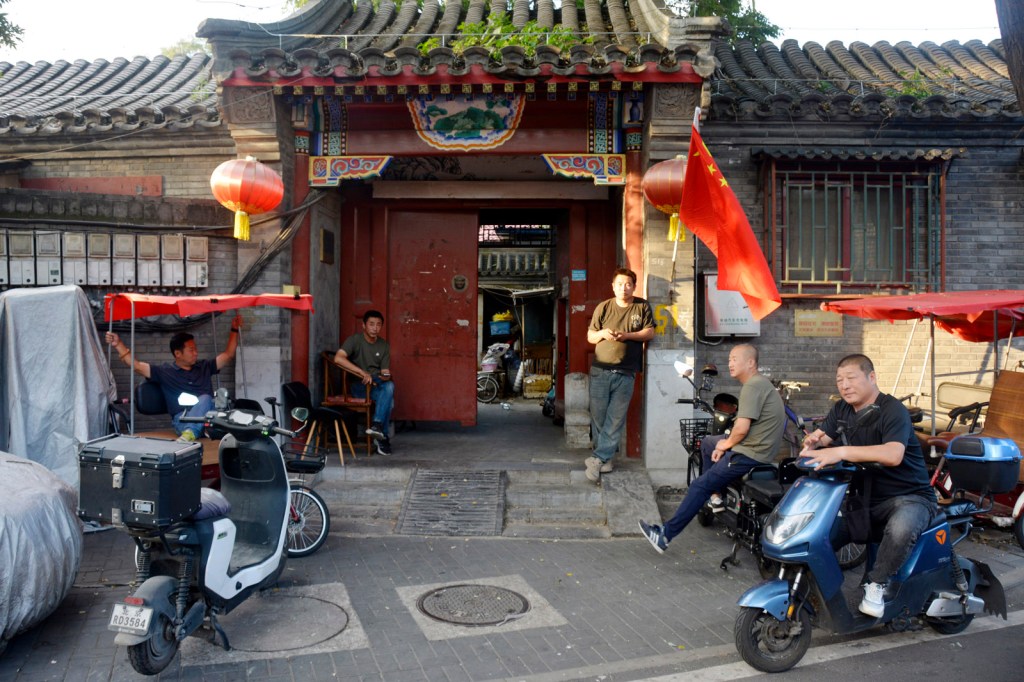
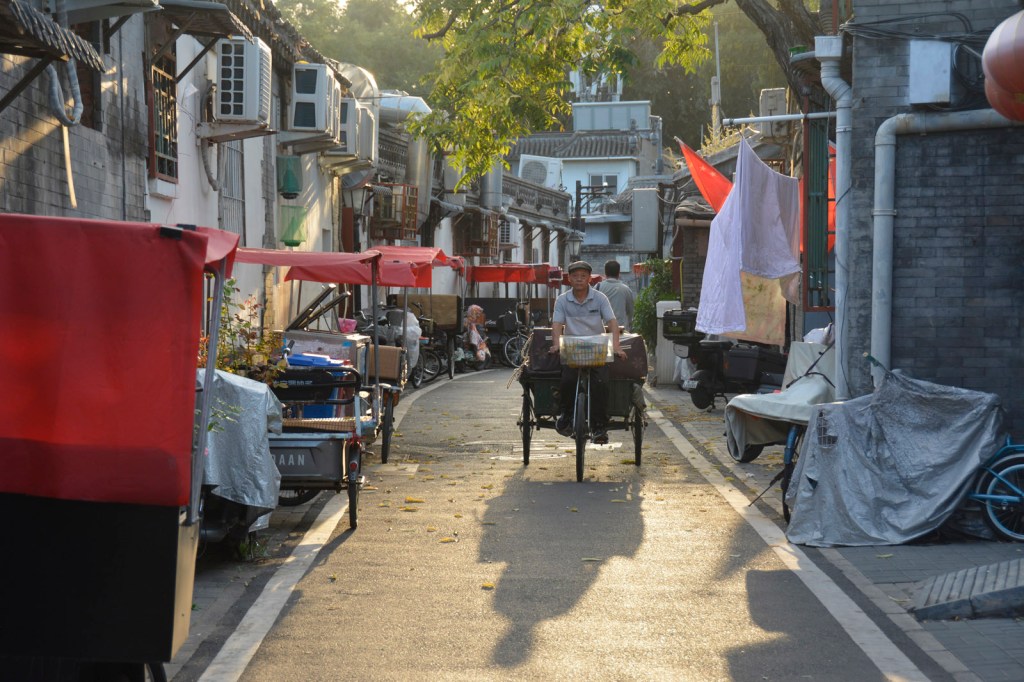
Many of the hutongs were lined with Chinese flags to mark the upcoming national holiday. The area was clearly home to many rickshaw drivers who worked in the neighbouring tourist area and drove home around sunset, parking their red-roofed vehicles along alleyways and in courtyards.
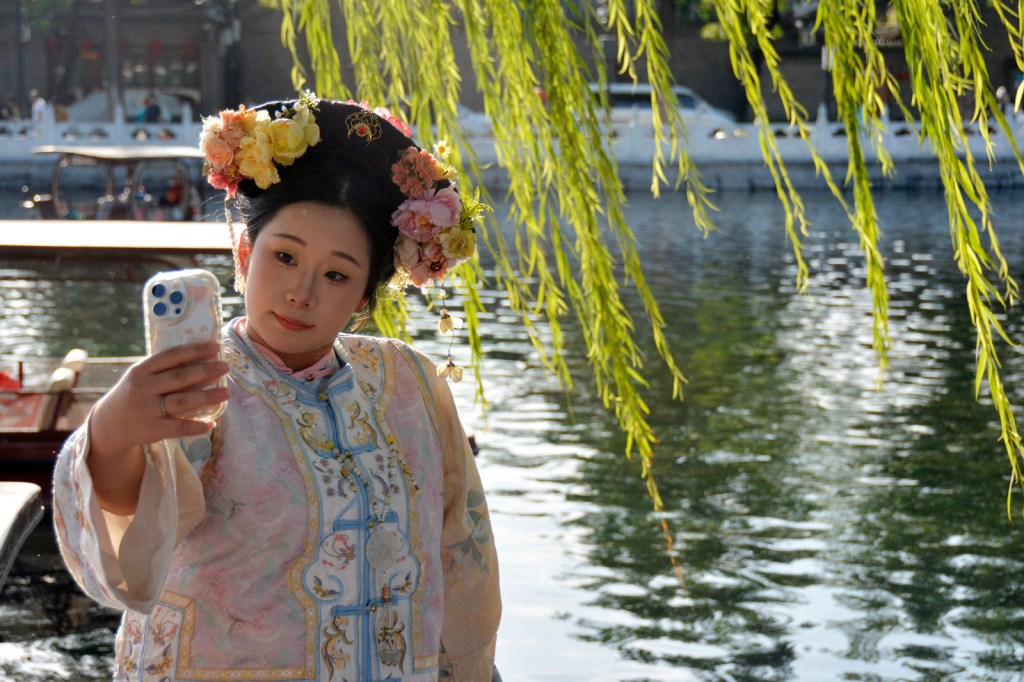
© Andrew Brown/2025/China
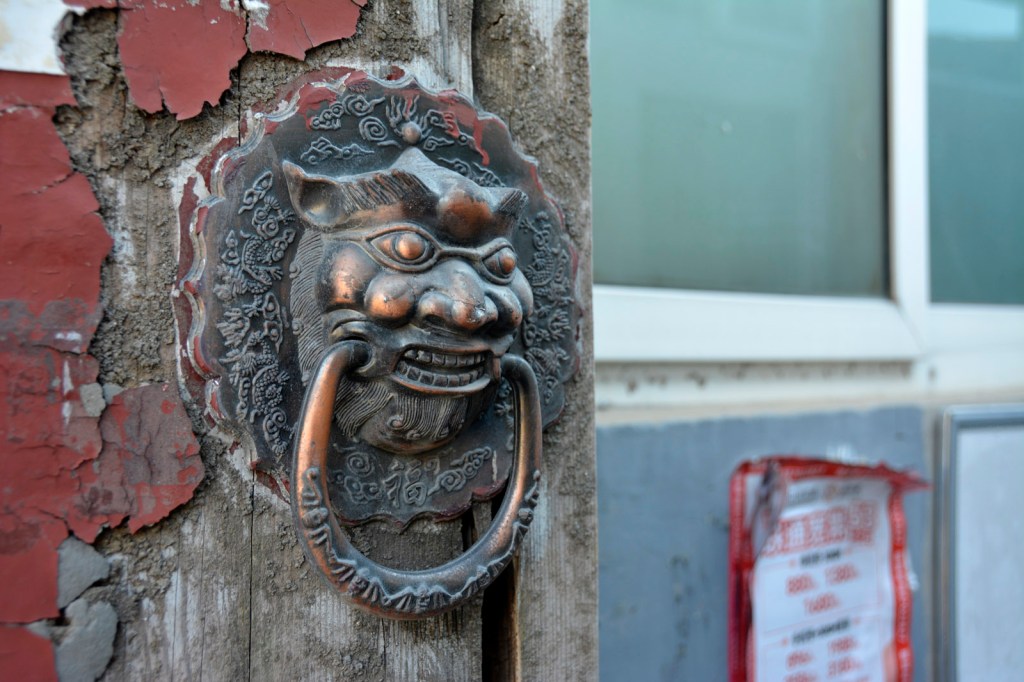
© Andrew Brown/2025/China
© Andrew Brown/2025/China
© Andrew Brown/2025/China
© Andrew Brown/2025/China
© Andrew Brown/2025/China
© Andrew Brown/2025/China
Winter hutongs
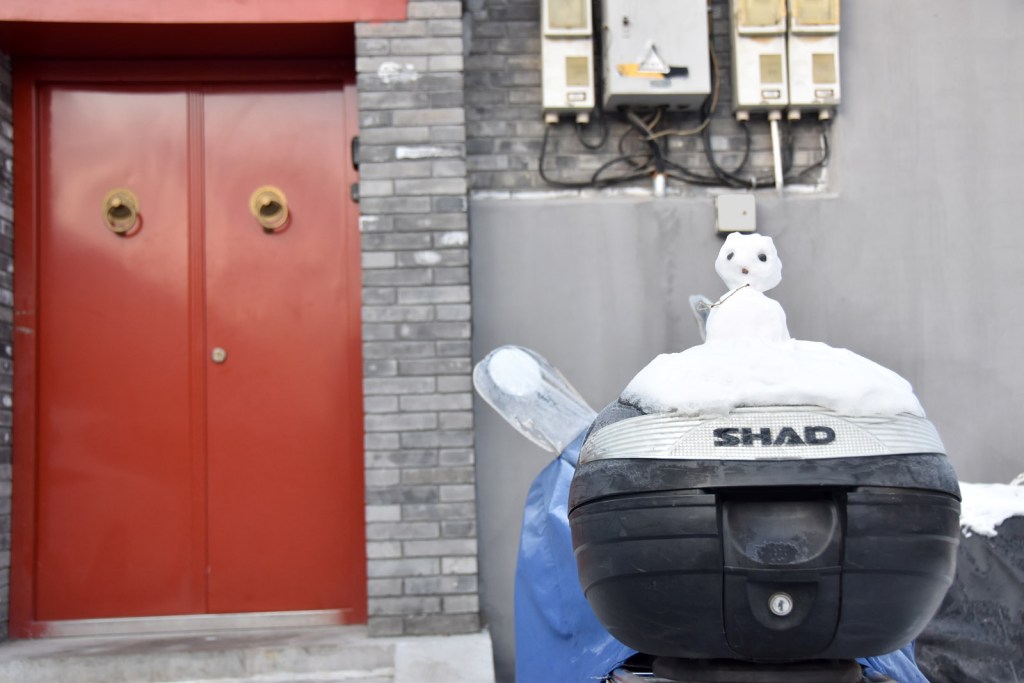
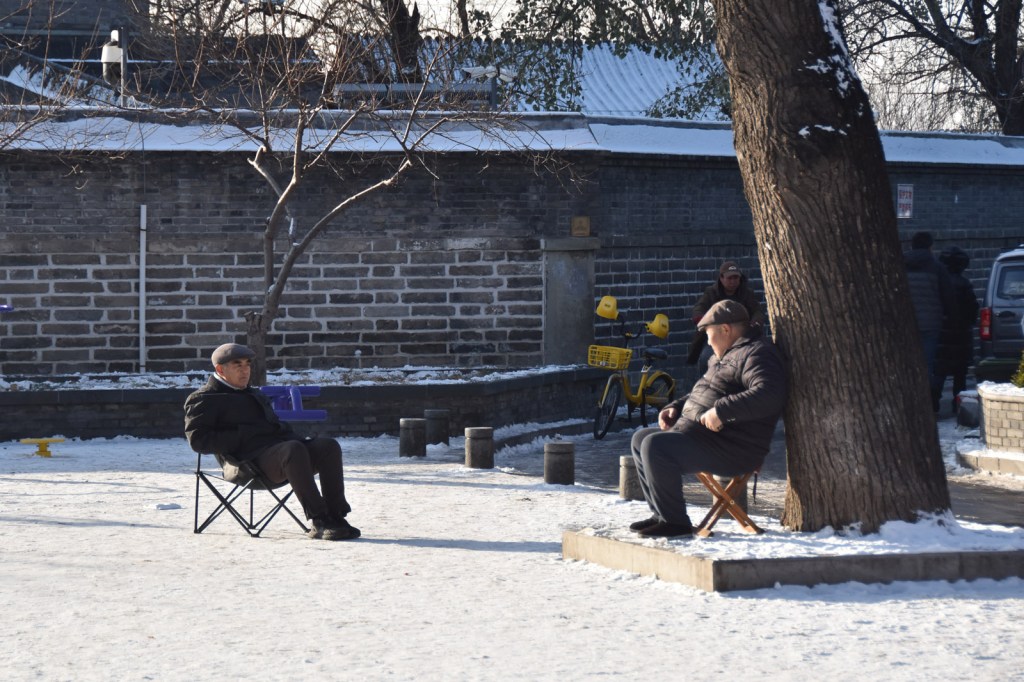
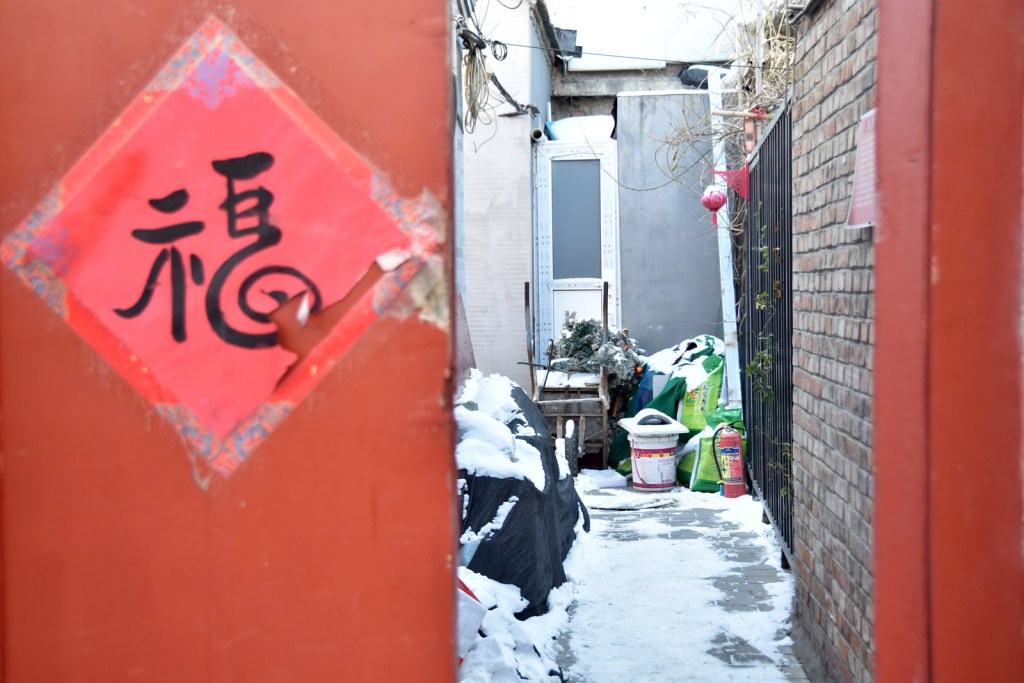
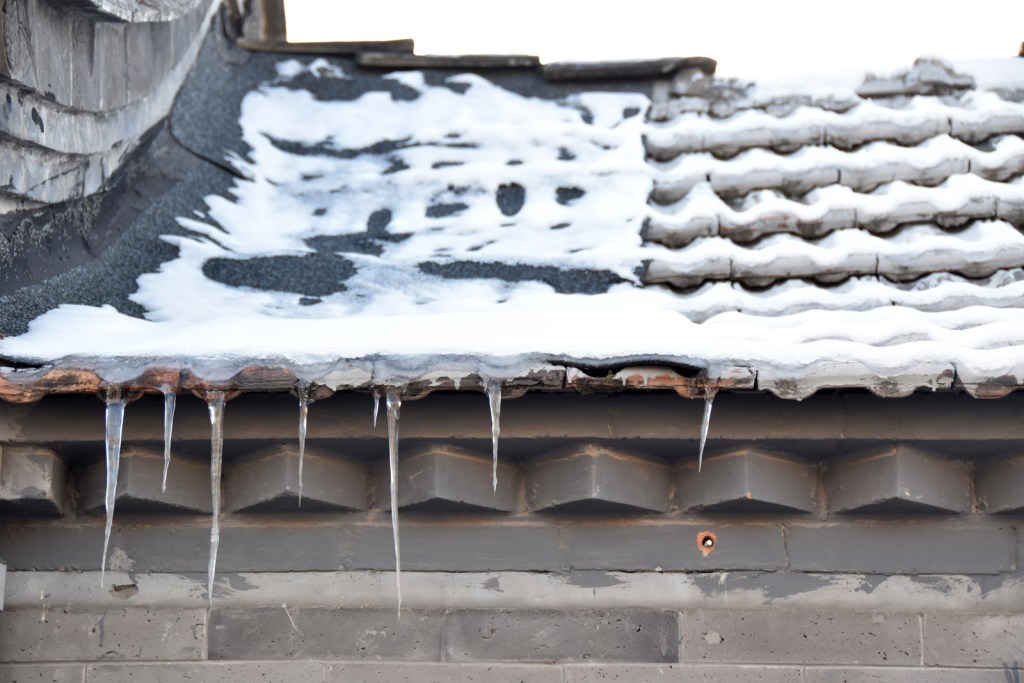
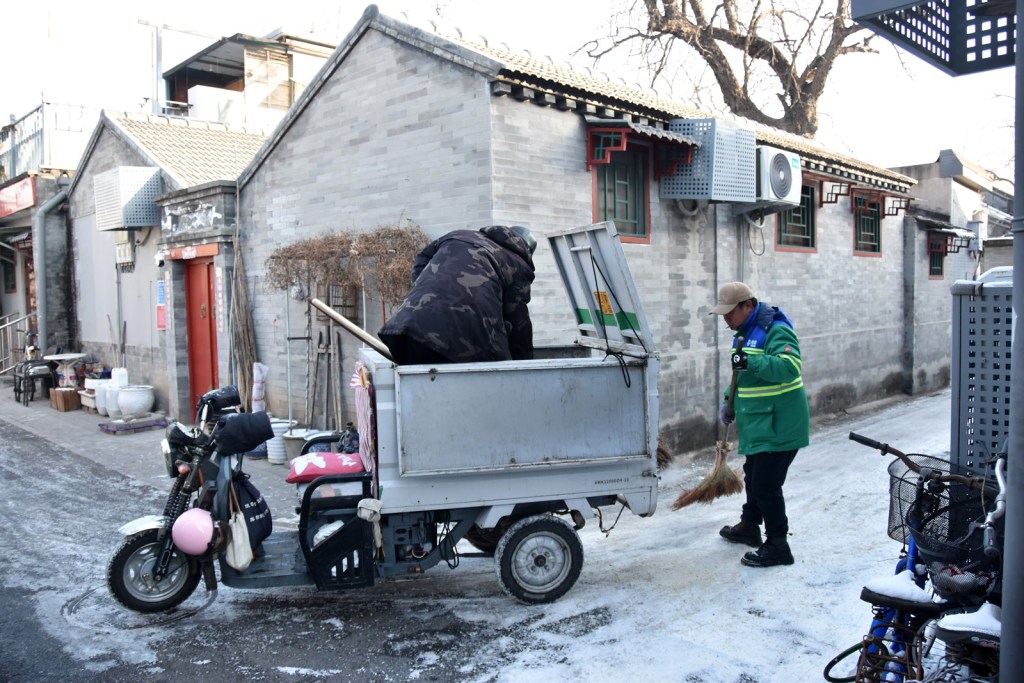
Although Beijing is very cold in the winter, with temperatures dropping as low as -20 at night, it is also very dry so it rarely snows. In mid-December, we had one of the city’s rare snowfalls, so I returned to the Drum and Bell Towers to try to capture them in the snow. It was a race against time. Almost as soon as the snow had finished falling, municipal workers were out with wheelbarrows and shovels clearing it up.
© Andrew Brown/2025/China
© Andrew Brown/2025/China
© Andrew Brown/2025/China
© Andrew Brown/2025/China
© Andrew Brown/2025/China
© Andrew Brown/2025/China
© Andrew Brown/2025/China

 Beneath the Baobab