Time machines: riding Sri Lanka’s railway

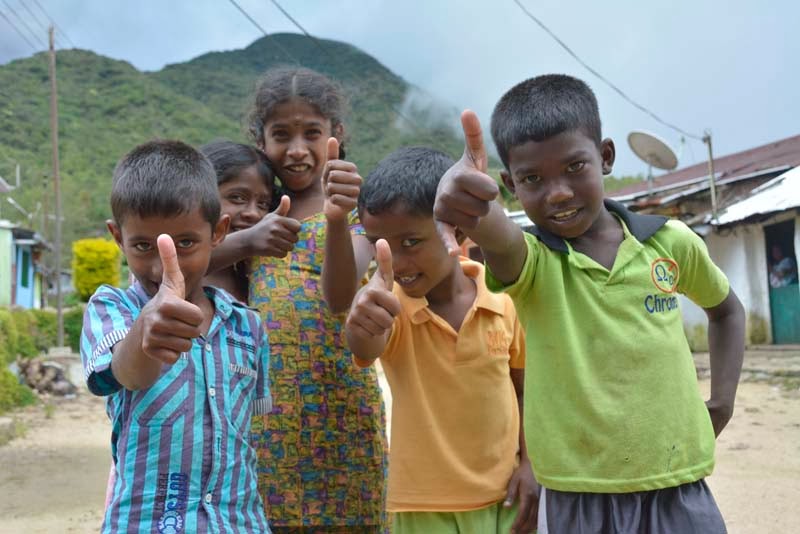
Children greet us at a village on a hike through the mountains of Sri Lanka
© Andy Brown/2013/Sri Lanka

In Sri Lanka, the railroad is not just a track for trains. People build their homes along it, open shops on the sidings, and walk between the rails. This is what I was doing in November – walking along the train tracks to Ella Rock. Together with my friends Rob and Laura, I was on a hike high in the mountains of Sri Lanka’s central plateau. Our guide, Chamal, assured us that the train tracks were the best route. “No need to worry,” he said, noting our concern. “If the train comes we’ll hear it in plenty of time to get out of the way.”

Continue reading “Time machines: riding Sri Lanka’s railway”
Shooting Chinatown: the Worldwide Photo Walk

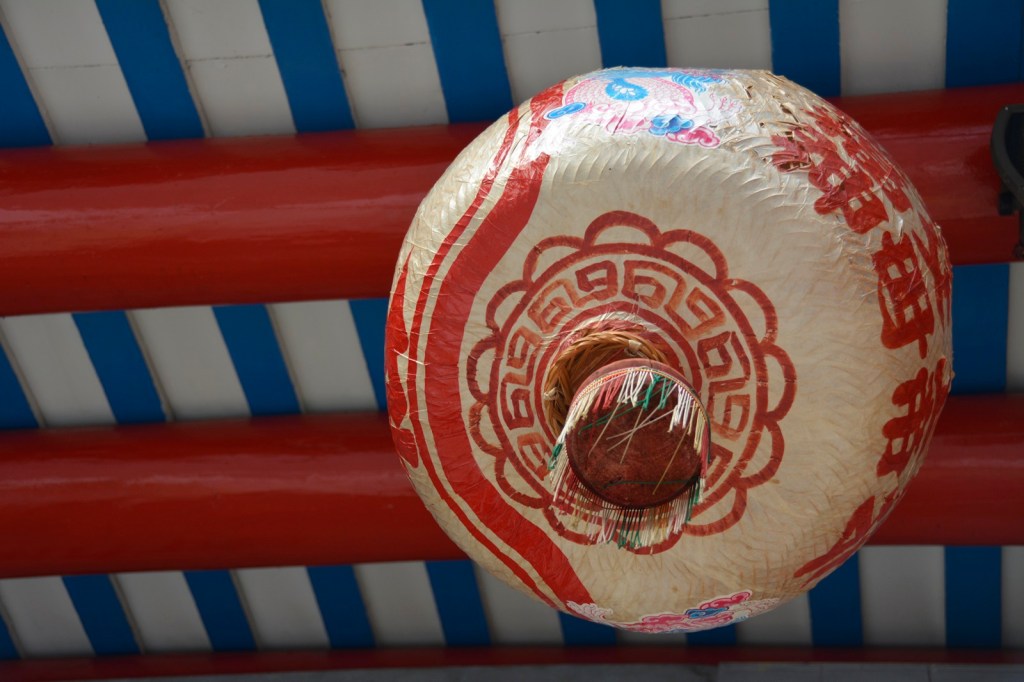
© Andy Brown/2013/Thailand

On Sunday 5 October 2013, nearly 30,000 photographers – myself included – went on over 1,200 photo walks around the world. This is the Scott Kelby Worldwide Photo Walk, and it’s the largest social photography event in the world. After the walk, every photographer is asked to submit one photo for the award. Choosing a single photo was in itself a challenge, and I recruited my Facebook friends to help me decide.

Continue reading “Shooting Chinatown: the Worldwide Photo Walk”

Mongolia: caravan of camels, hotel of horrors

A caravan of camels crossing the road outside Murun
© Andy Brown/2013/Mongolia

The third and final stage of my Mongolia journey was perhaps the most challenging, with both highs (encountering a caravan of camels) and lows (staying in a horror movie hotel). We were planning to drive south from Tsagaan-Uur to Tarialan soum, but were warned that the ‘road’ had become impassable because of the rains. So we had to take a longer way round.

We passed some amazing sights along the way. We drove through woodland where the ground was sprinkled with brightly coloured spring flowers. When we came out into a meadow, it was so dense with flowers that the grass looked canary yellow instead of green. Later, we saw a large eagle that had just killed a rabbit. It moved along the track away from us, dragging its prey with one taloned foot. It spread its wing to fly but the rabbit was too heavy for it to take off. Given the choice, the bird stayed on the ground and slowly hopped out of view.

Continue reading “Mongolia: caravan of camels, hotel of horrors”

Mongolia: frozen lakes and stone cooked lamb

Snowcapped mountains emerge from the mist at Khuvsgul Lake
© Andy Brown/2013/Mongolia

Look at a map of Khuvsgul and one feature will jump out at you – Khuvsgul Nuur, or lake. This is a massive 2,760 square kilometre body of water that stretches almost to the border with Siberia. It is the second largest in Asia and one of the oldest lakes in the world, being among just 17 that formed over two million years ago. Mongolians call it ‘ocean mother’ and revere it as the country’s main source of fresh water. It is famous for its clear, drinkable water and blue/green colour.

Continue reading “Mongolia: frozen lakes and stone cooked lamb”

Mongolia: land of the eternal blue sky

Herds of livestock wander through the barren landscape of Khuvsgul
© Andy Brown/2013/Mongolia

Mongolia is unlike any other country I’ve been to. For most of the year it’s a frozen wasteland. Temperatures plunge to minus 35, lakes freeze over and heavy snow piles up across the land. Then, for a few brief months in summer, the snow melts and the country is transformed into a land of wide, open grasslands, sparkling lakes and vast green forests under an endless blue sky. I visited in June, when this transformation was nearly complete. The snow had temporarily retreated to the mountain tops, leaving the land clear for people, animals and vehicles.

Continue reading “Mongolia: land of the eternal blue sky”

Fighting the stereotypes: disabilities report launch

Children with disabilities pose for a photo after their drum game
© UNICEF EAPRO/2013/Andy Brown

UNICEF launched its annual flagship report, State of the World’s Children, in Da Nang, Vietnam. The subject was disability. I was on the ground with UNICEF Executive Director Anthony Lake as he visited centres around Da Nang and met children with disabilities.

I arrived in Vietnam two days before the report launch. From the air, Da Nang is stunning. We came in to land at sunset, with a cloudless view across a wide river delta and out to sea. Trees and village houses cast long shadows across the waterways and mud-brown fields. Near the coast, a handful of limestone peaks (the Marble Mountains) rose out of an otherwise flat landscape. Here and there, a few cargo boats made their way downstream to the sea.

Continue reading “Fighting the stereotypes: disabilities report launch”

Cambodia: after the floods, a brighter future

Leng Silong, 12, writes equations on the board at a flood affected school
© UNICEF Cambodia/2012/Andy Brown

Cambodia is one of the poorest countries in South East Asia but also has perhaps the richest culture and history. In ancient times it was the seat of the Khmer Empire that stretched across the region and influenced the culture and religion of present day Thailand, Laos and Vietnam. More recently, it suffered the massacres and misrule of the Khmer Rouge, from which it has yet to fully recover.

I visited Cambodia to work with the UNICEF country office on digital communications and train staff in local ‘zone offices’ to write stories about children. I had a punishing schedule, with three provinces to cover in four days and groups of up to 20 people to manage. However, it was a great chance to see the country and meet local communities.

Continue reading “Cambodia: after the floods, a brighter future”

The dark of day: life in a Jakarta urban slum

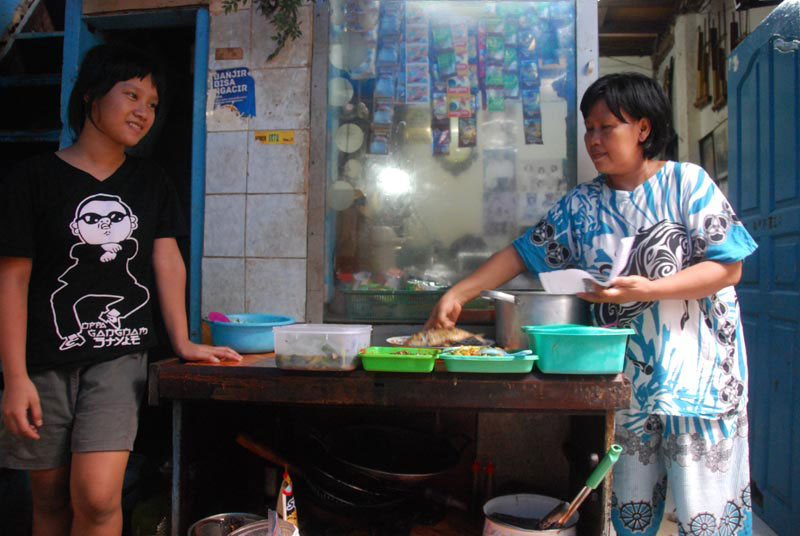
In the mornings, Neng helps her mum on the family food stall
© UNICEF/Indonesia 2012/Andy Brown

Neng is fourteen years old. She lives and works on Venus Alley, a lane in the notorious Jembatan Besi slum in Jakarta, Indonesia. Unlike other children her age, she rarely gets to see the sun. The slum is one of the most densely populated in Indonesia, rising to four stories in places. The ground floor homes are reasonably well constructed but as they ascend, they become increasingly makeshift, with walls and floors made from wood and scrap metal.

Continue reading “The dark of day: life in a Jakarta urban slum”

Independence days: the new nation of Timor-Leste

In the mornings, Neng helps her mum on the family food stall
© UNICEF/Indonesia 2012/Andy Brown

I’d only vaguely heard of Timor-Leste (or East Timor) before I went there last August. The tiny former Portuguese colony of just over a million people is most famous as the first new nation of the century. It achieved independence in 2002 after a long and bloody struggle with Indonesia, which invaded after the Portuguese left. The BBC describes the subsequent rebuilding of Timor-Leste as “one of the UN’s biggest success stories” so it was fascinating to visit with UNICEF, the UN Children’s Fund.

Continue reading “Independence days: the new nation of Timor-Leste”

Welcome Obama: making history in Myanmar

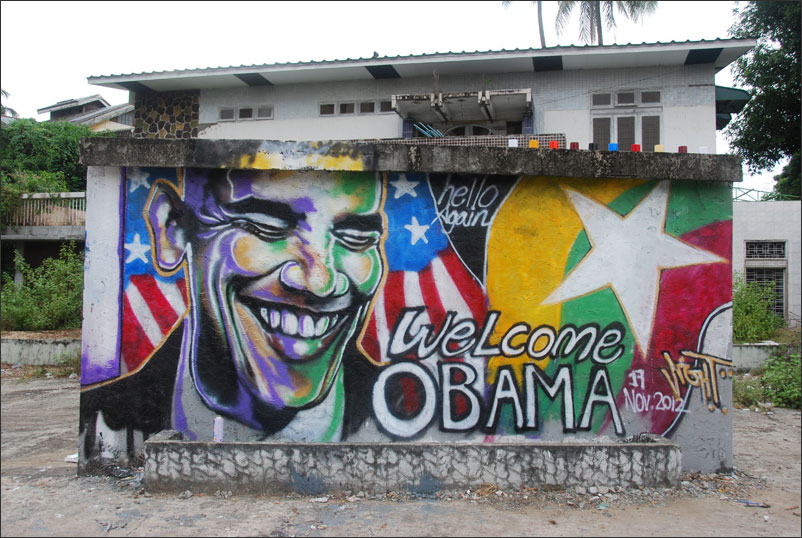
‘Welcome Obama’ graffiti on the roadside opposite my Yangon hotel
© Andy Brown/Myanmar 2012

I always seem to be visiting Myanmar (previously Burma) at historic moments. On my first visit in June, Aung San Suu Kyi was visiting London for the first time in 24 years. On my second in November, Barack Obama was making the first visit to the country by a serving US President. On the street opposite my hotel, a large ‘Welcome Obama’ graffiti mural had sprung up, and the papers were full of the news. ‘From Sanctions to Success’ claimed the headline of the Myanmar Times, with articles inside ranging from sober analysis of the visit to a fortune teller’s predictions for Obama’s second term. Whatever else, Myanmar remains a deeply superstitious country.

Continue reading “Welcome Obama: making history in Myanmar”