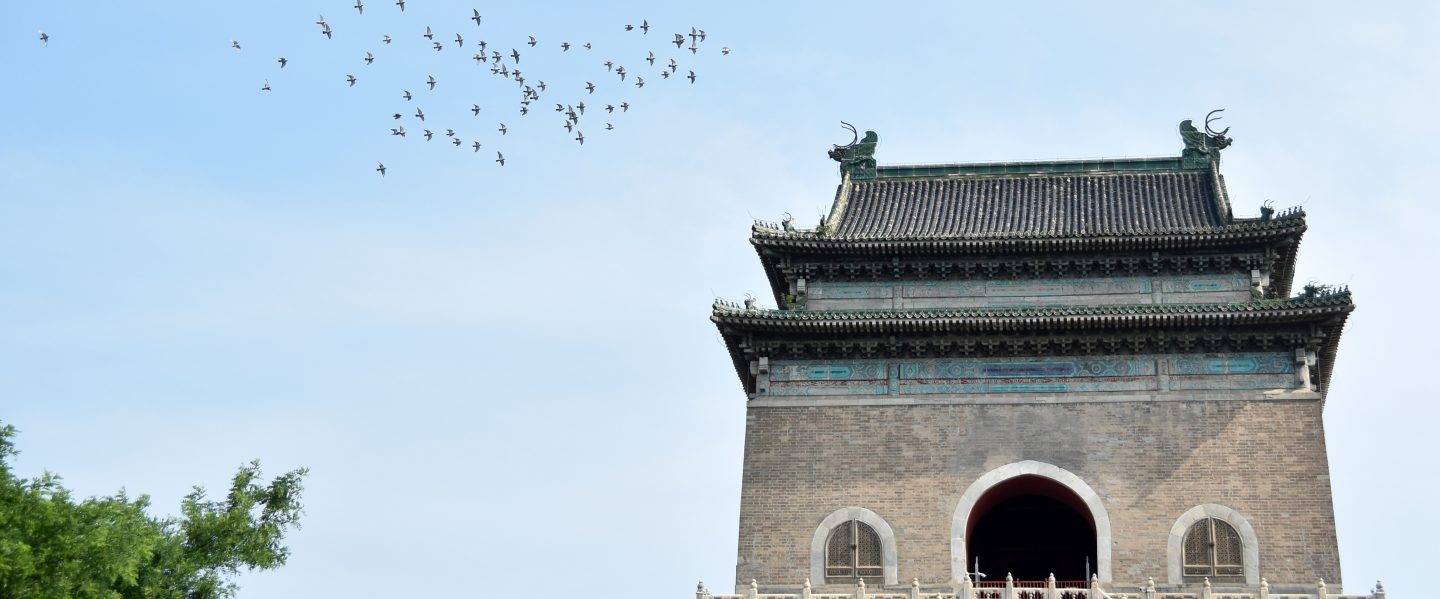
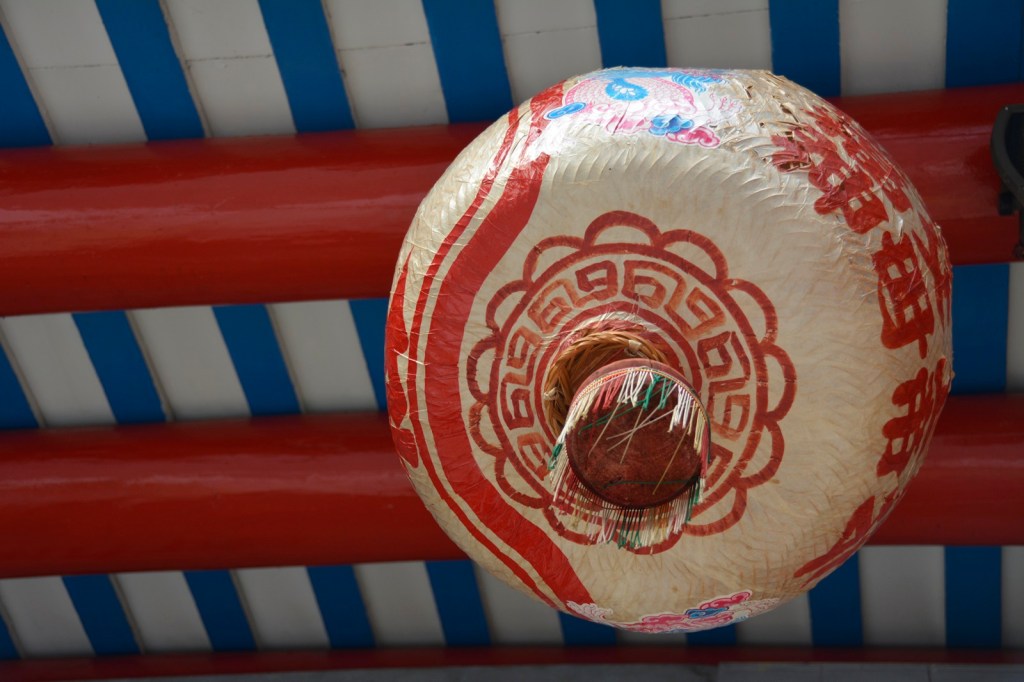
On Sunday 5 October 2013, nearly 30,000 photographers – myself included – went on over 1,200 photo walks around the world. This is the Scott Kelby Worldwide Photo Walk, and it’s the largest social photography event in the world. After the walk, every photographer is asked to submit one photo for the award. Choosing a single photo was in itself a challenge, and I recruited my Facebook friends to help me decide.
The third and final stage of my Mongolia journey was perhaps the most challenging, with both highs (encountering a caravan of camels) and lows (staying in a horror movie hotel). We were planning to drive south from Tsagaan-Uur to Tarialan soum, but were warned that the ‘road’ had become impassable because of the rains. So we had to take a longer way round.
We passed some amazing sights along the way. We drove through woodland where the ground was sprinkled with brightly coloured spring flowers. When we came out into a meadow, it was so dense with flowers that the grass looked canary yellow instead of green. Later, we saw a large eagle that had just killed a rabbit. It moved along the track away from us, dragging its prey with one taloned foot. It spread its wing to fly but the rabbit was too heavy for it to take off. Given the choice, the bird stayed on the ground and slowly hopped out of view.
Look at a map of Khuvsgul and one feature will jump out at you – Khuvsgul Nuur, or lake. This is a massive 2,760 square kilometre body of water that stretches almost to the border with Siberia. It is the second largest in Asia and one of the oldest lakes in the world, being among just 17 that formed over two million years ago. Mongolians call it ‘ocean mother’ and revere it as the country’s main source of fresh water. It is famous for its clear, drinkable water and blue/green colour.
Mongolia is unlike any other country I’ve been to. For most of the year it’s a frozen wasteland. Temperatures plunge to minus 35, lakes freeze over and heavy snow piles up across the land. Then, for a few brief months in summer, the snow melts and the country is transformed into a land of wide, open grasslands, sparkling lakes and vast green forests under an endless blue sky. I visited in June, when this transformation was nearly complete. The snow had temporarily retreated to the mountain tops, leaving the land clear for people, animals and vehicles.
This article was first published in the Bangkok Post on 23 July 2013.
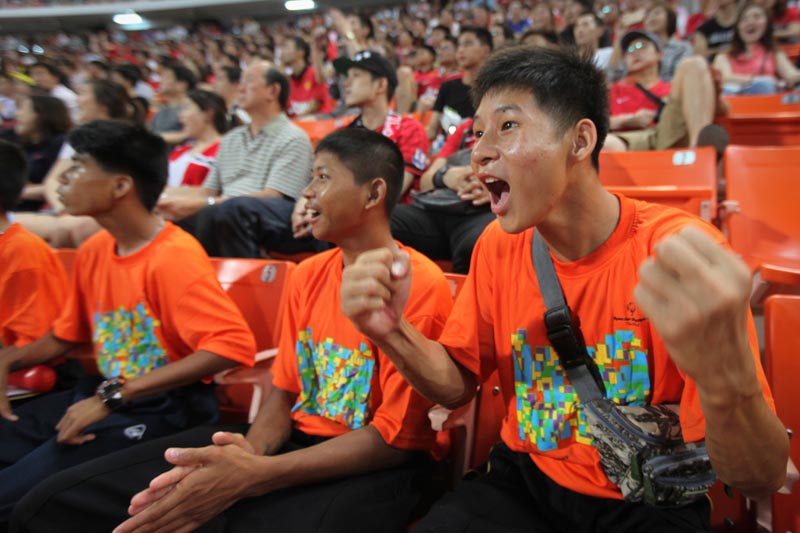
Among the 60,000 football fans packing out Rajamangala National Stadium for a Manchester United football match last weekend were 36 children with intellectual disabilities. The atmosphere was buzzing. Many fans arrived in the club’s trademark shirts, waving balloons, scarves and banners. The children, who were invited to the game by the Manchester United Foundation and UNICEF, had only seen the football stars on TV, and were among the most enthusiastic in the audience.
UNICEF launched its annual flagship report, State of the World’s Children, in Da Nang, Vietnam. The subject was disability. I was on the ground with UNICEF Executive Director Anthony Lake as he visited centres around Da Nang and met children with disabilities.
I arrived in Vietnam two days before the report launch. From the air, Da Nang is stunning. We came in to land at sunset, with a cloudless view across a wide river delta and out to sea. Trees and village houses cast long shadows across the waterways and mud-brown fields. Near the coast, a handful of limestone peaks (the Marble Mountains) rose out of an otherwise flat landscape. Here and there, a few cargo boats made their way downstream to the sea.
Dang Hong Dan is just three years old but he’s a victim of the Vietnam War. He was born with disabilities because of Agent Orange – a chemical sprayed in the south of the country during the war to destroy crops and forests. Although the war ended almost four decades ago, Agent Orange still contaminates fields and rivers in the Mekong Delta region. It gets into food and drinking water, causing birth defects in children.
This article was first published in the Bangkok Post on 19 January 2013.
At a university dormitory in Bangkok, 21 young people from disadvantaged communities line up to pull the name of a top hotel out of a bag. Behind them, teams of hotel staff in uniforms wait to meet their new apprentices. For 19-year-old Daojai, a cabbage farmer from a Mon hill tribe village in Petchaburi province, it’s an exciting moment. She reaches in and pulls out a piece of paper saying ‘JW Marriot’ and her new life begins.
Cambodia is one of the poorest countries in South East Asia but also has perhaps the richest culture and history. In ancient times it was the seat of the Khmer Empire that stretched across the region and influenced the culture and religion of present day Thailand, Laos and Vietnam. More recently, it suffered the massacres and misrule of the Khmer Rouge, from which it has yet to fully recover.
I visited Cambodia to work with the UNICEF country office on digital communications and train staff in local ‘zone offices’ to write stories about children. I had a punishing schedule, with three provinces to cover in four days and groups of up to 20 people to manage. However, it was a great chance to see the country and meet local communities.
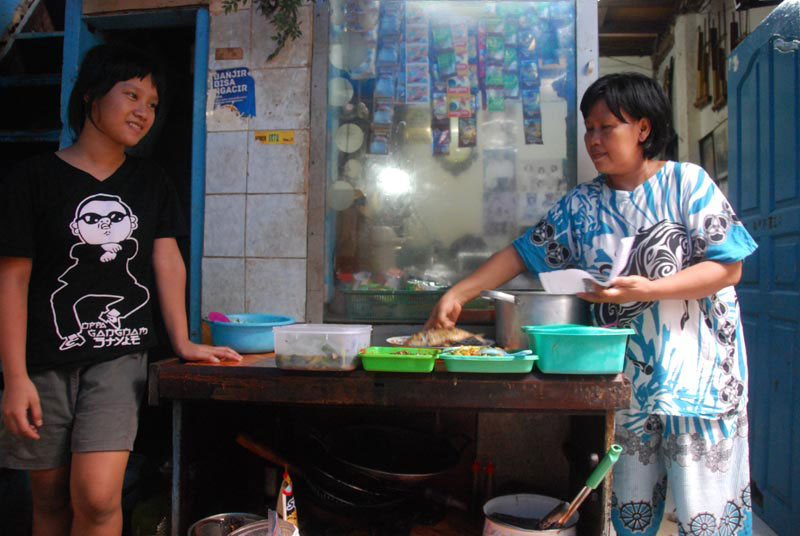
Neng is fourteen years old. She lives and works on Venus Alley, a lane in the notorious Jembatan Besi slum in Jakarta, Indonesia. Unlike other children her age, she rarely gets to see the sun. The slum is one of the most densely populated in Indonesia, rising to four stories in places. The ground floor homes are reasonably well constructed but as they ascend, they become increasingly makeshift, with walls and floors made from wood and scrap metal.