Siamese Dream: travels in Asia-Pacific

539523_10151276758177774_169802449_n
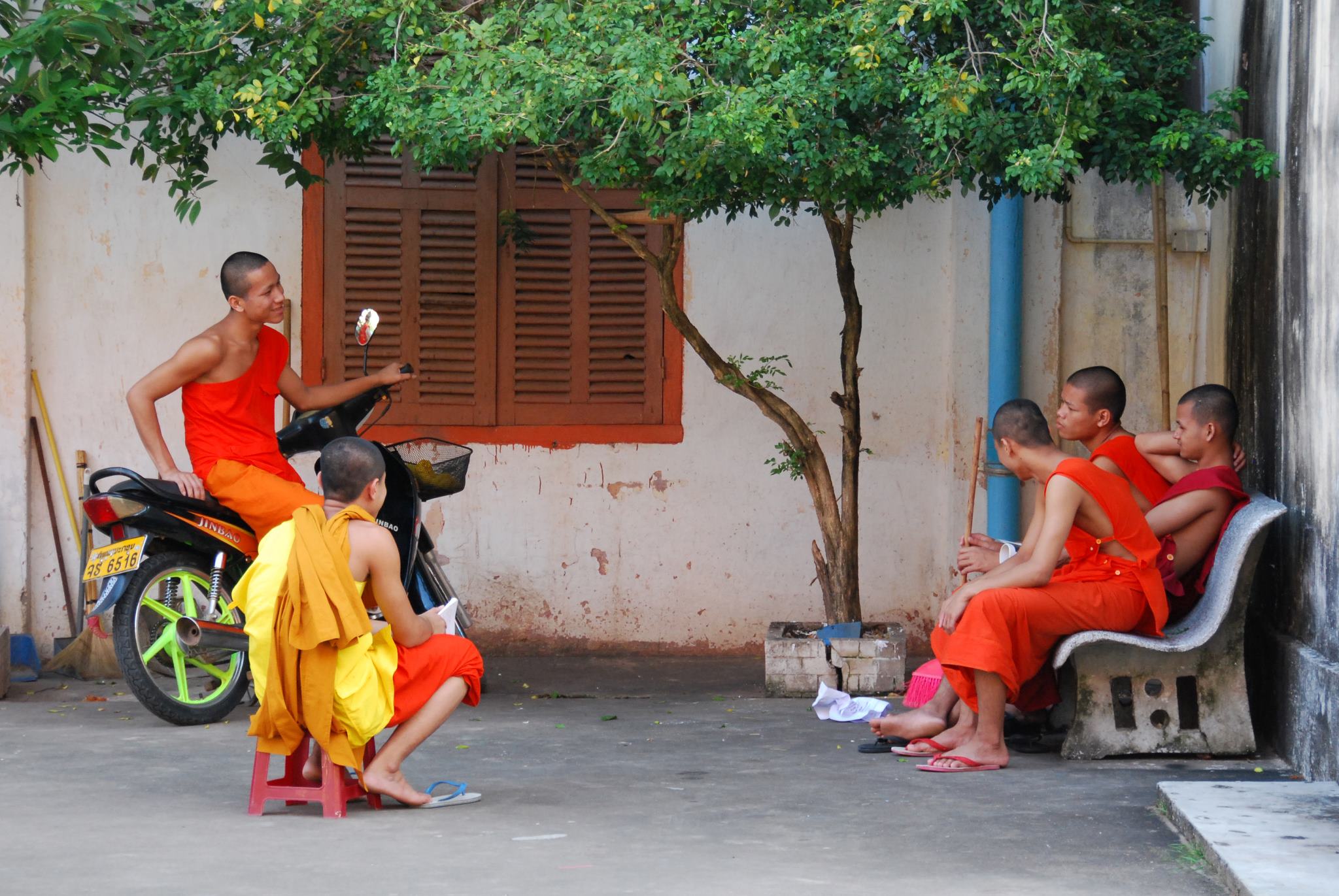
Novice monks chatting in a temple courtyard in Vientiane, capital of Laos © Andy Brown/2012/Laos

Before we moved to Africa, I worked for UNICEF’s East Asia and Pacific office, based in Bangkok. This gave me the opportunity to travel around a large and diverse region, stretching from Mongolia in the north, down through China and South-East Asia, and out to Fiji and the Pacific Islands. This was also before I had children, so I had more time to travel and write. My blog from this time was called Siamese Dream.

My final post was a look back at my top ten adventures in the region, which were as follows:

Continue reading “Siamese Dream: travels in Asia-Pacific”
Broken sanctuary: attacks on schools in Myanmar

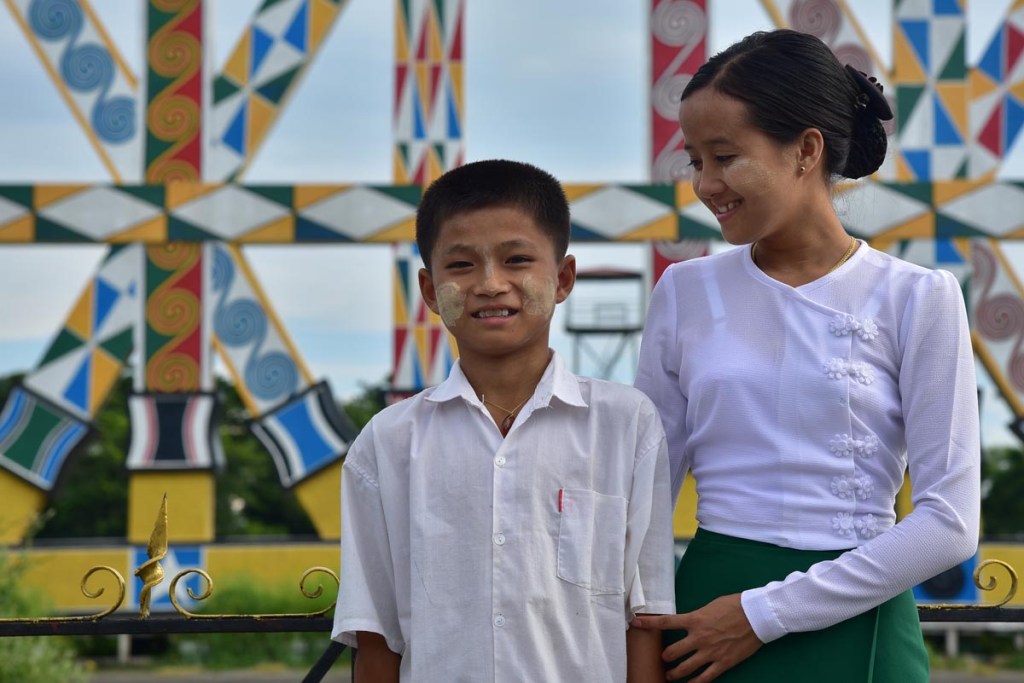
Zau Seng, 11, and teacher Mya, both of whom were injured in an attack on their school
© UNICEF Myanmar/2016/Khine Zar Mon

Zau Seng, 11, is a student at Nam Ya Middle School, in Moe Nyin District, Kachin State, Myanmar. Kachin has been affected by conflict since 2011, following the collapse of a 17-year ceasefire. The recent violence has resulted in thousands of deaths and the displacement of around 100,000 civilians, half of them children. Despite ongoing peace talks, a final deal has proved elusive and the fighting continues.

Continue reading “Broken sanctuary: attacks on schools in Myanmar”

Field of dreams: Kachin children hope for peace

Baum with her family at a camp for displaced people near Myitkyina
UNICEF Myanmar/2016/Khine Zar Mon

Baum Myaw, 12, lives with her family at a camp for displaced people near Myitkyina, capital of Kachin State, Myanmar. Kachin has been affected by conflict since 2011, following the collapse of a 17-year ceasefire. The recent violence has resulted in thousands of deaths and the displacement of around 100,000 civilians, including children. Despite ongoing peace talks, a final deal has proved elusive and the fighting continues.

Continue reading “Field of dreams: Kachin children hope for peace”

Children, not tourist attractions: keeping families together

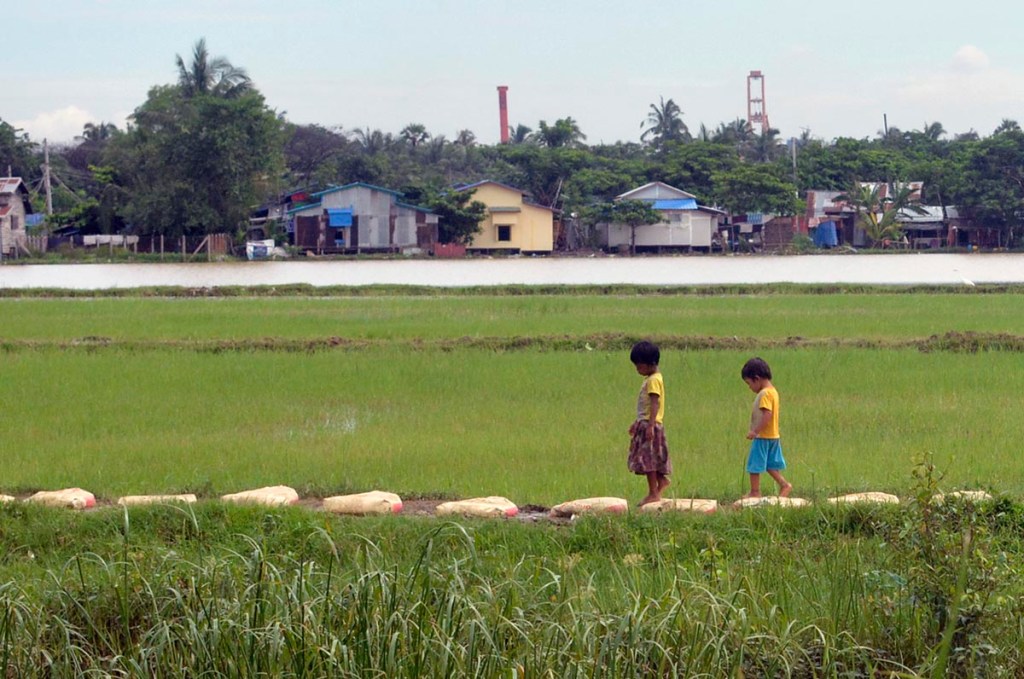
Children walk through a rice field in Dala, one of the locations for orphanage tourism
© UNICEF Myanmar/2016/Andy Brown

Every twenty minutes, a busy ferry crosses the river from downtown Yangon, Myanmar’s largest city, to the rural village of Dala on the opposite bank. On a recent morning, the ferry was packed with local commuters wearing Burmese ‘longyi’ skirts, vendors selling speckled eggs and cigarettes, and a handful of adventurous tourists.

As soon as I disembarked at Dala pier, I was approached by a thick-set young man with a pony tail and baseball cap. He introduced himself as Meh Meh, 28, and offered me a tour of the area by rickshaw. “What’s your name, where you from, you want trishaw tour?” he asked. “I take you to pagoda, fishing village, Cyclone village, orphanage. 15,000 Kyats.

Continue reading “Children, not tourist attractions: keeping families together”

Preparing for PrEP: a new weapon in the fight against HIV

Vu discusses his experiences of using PrEP at a coffee shop in Bangkok
© UNICEF EAPRO/2016/Andy Brown

Vu, 24, grew up in the countryside outside Ho Chi Minh City. Rural Vietnam was not an easy place to be gay. At the age of 12, Vu told some friends he liked boys. “My friends were supportive, but the guy I liked told everyone I was disgusting,” he recalls. After that, Vu kept his sexual orientation secret from his friends and family. When Vu finally came out to his parents, they didn’t take it very well. “My mum said I would die of HIV because I’m gay,” he says. “We stopped communicating for several years after that.”

Continue reading “Preparing for PrEP: a new weapon in the fight against HIV”

Billy the Hero: teenagers stay safe online

Nicole, 14, from Malaysia with her creation ‘Billy the Hero’
© UNICEF EAPRO/2016/Andy Brown

From social media to online chatting, the Internet has countless avenues for sharing and connecting with friends and communities. But this open network also carries many risks, especially for children. After falling victim to cyberbullying, Nicole is on a mission to make sure the same doesn’t happen to her peers.

Continue reading “Billy the Hero: teenagers stay safe online”

Safe from harm: tackling online child sexual abuse

A rescued child in the playroom at the Child Protection Unit, Philippines
© UNICEF/Philippines 2016/Andy Brown

The Philippines has become the global epicentre of the live stream sexual abuse trade, and many of the victims are children. In the slums of Manila, a police raid of a child sexual exploitation operation illuminates the challenges the country faces in protecting vulnerable children and prosecuting their abusers.

One evening in 2014, Philippines police raided an ordinary looking home in the slums of Manila. It was just before midnight, and darkness permeated the surrounding narrow alleys as the officers entered with a search warrant. Inside the small single room house, they found an unusual amount of computer equipment: laptops, webcams and a Wi-Fi router.

Continue reading “Safe from harm: tackling online child sexual abuse”

Location, location: mobile dating apps and HIV

Nest (right) and friend Jesse look at gay dating apps on a smart phone
© UNICEF EAPRO/2015/Andy Brown

Nest is a 19-year-old living in Bangkok. Like many other gay adolescents, he uses mobile apps to meet up for dates. “I use apps to meet other guys nearby,” he says. “I don’t like to have sex at the first meeting, I prefer to chat and get to know the person first. But some of my friends just meet up for sex.”

A new report, Adolescents: Under the Radar in the Asia-Pacific AIDS Response, shows that the Asia-Pacific region is facing a ‘hidden epidemic’ of HIV among adolescents. Although new HIV infections are falling overall, they are rising among teenagers. In 2014, there were at least 220,000 adolescents aged 10-19 living with HIV in the region, with major cities like Bangkok and Hong Kong hubs of new infections.

Continue reading “Location, location: mobile dating apps and HIV”

In Myanmar, education helps build a joint future

Thu Zar Moe (right) studies in a classroom at Thea Chaung displacement camp
Hlaing Hlaing Oo (left) studies at Mingan School, not far from the camp
© UNICEF Myanmar/2015/Thame

Rakhine State is one of the poorest and most isolated parts of Myanmar, and suffers from complex humanitarian needs and unaddressed development needs. Already marked by a high rate of poverty, the socioeconomic situation in Rakhine further deteriorated in 2012 following the outbreak of violence between majority Buddhist and minority Muslim communities, which displaced many Muslims who were relocated in controlled camps.

Continue reading “In Myanmar, education helps build a joint future”

Myanmar: sunset fishermen, balloons over Bagan

Vendors wearing traditional longyis at a weekend market in Yangon
© Andy Brown/Myanmar 2014

In the two years since I first visited Burma, now increasingly called Myanmar, much has changed but much remains the same. Construction of the new Myanmar is proceeding apace in Yangon. Cranes and half-built skyscrapers litter the skyline, coffee shops are popping up along busy main roads, and young people are beginning to adopt western fashion.

But outside the capital, life goes on much as it has for the past several centuries. Here, roads deteriorate to earth tracks, towns and villages are largely blacked out after dark, monks collect alms in copper bowls at first light, both men and women wear traditional ‘longyi’ skirts, and the bicycle remains a common form of transport.

Continue reading “Myanmar: sunset fishermen, balloons over Bagan”