Riders on the storm: protecting child jockeys in Mongolia

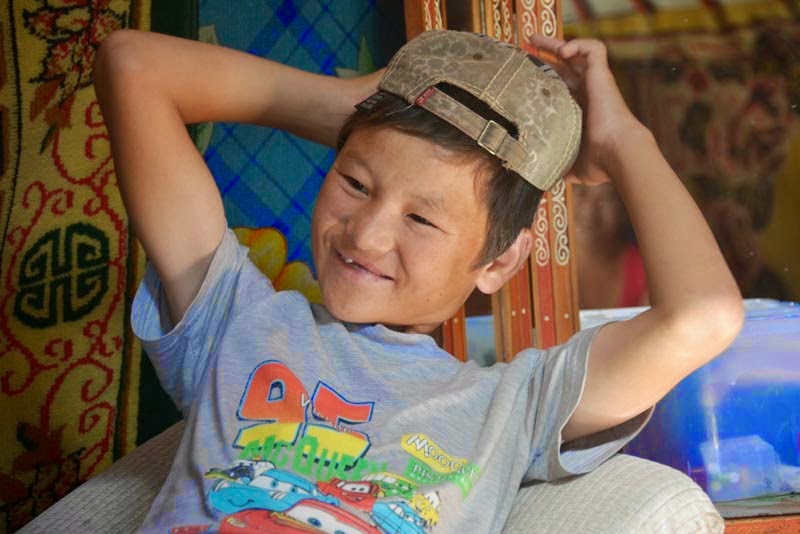
Budgarav, 15, was disabled while working as child jockey
© UNICEF Mongolia/2014/Zetty Brake

In a ger tent in Ulziit, horse racing capital of Mongolia, 15-year-old former child jockey Budgarav rests on his crutches and adjusts the baseball cap on his head. Four years ago he was thrown from a horse during training and trampled, losing his front teeth and breaking both his legs. “It was very painful when I fell,” he says.

Continue reading “Riders on the storm: protecting child jockeys in Mongolia”
Home and Away: children with disabilities go to a Man Utd match

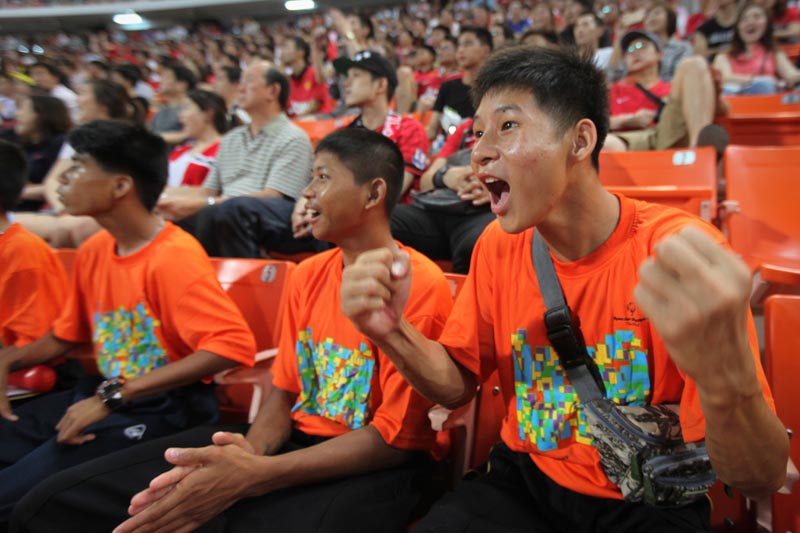
Pichit and other children respond to a near miss by Man Utd
© UNICEF Thailand/2013/Jingjai N.

This article was first published in the Bangkok Post on 23 July 2013.

Among the 60,000 football fans packing out Rajamangala National Stadium for a Manchester United football match last weekend were 36 children with intellectual disabilities. The atmosphere was buzzing. Many fans arrived in the club’s trademark shirts, waving balloons, scarves and banners.  The children, who were invited to the game by the Manchester United Foundation and UNICEF, had only seen the football stars on TV, and were among the most enthusiastic in the audience.

Continue reading “Home and Away: children with disabilities go to a Man Utd match”

Fighting the stereotypes: disabilities report launch

Children with disabilities pose for a photo after their drum game
© UNICEF EAPRO/2013/Andy Brown

UNICEF launched its annual flagship report, State of the World’s Children, in Da Nang, Vietnam. The subject was disability. I was on the ground with UNICEF Executive Director Anthony Lake as he visited centres around Da Nang and met children with disabilities.

I arrived in Vietnam two days before the report launch. From the air, Da Nang is stunning. We came in to land at sunset, with a cloudless view across a wide river delta and out to sea. Trees and village houses cast long shadows across the waterways and mud-brown fields. Near the coast, a handful of limestone peaks (the Marble Mountains) rose out of an otherwise flat landscape. Here and there, a few cargo boats made their way downstream to the sea.

Continue reading “Fighting the stereotypes: disabilities report launch”

Children with disabilities overcome the legacy of Agent Orange

Three-year-old Dan was born with disabilities because of Agent Orange
© UNICEF Viet Nam/2013/Truong Viet Hung

Dang Hong Dan is just three years old but he’s a victim of the Vietnam War. He was born with disabilities because of Agent Orange – a chemical sprayed in the south of the country during the war to destroy crops and forests. Although the war ended almost four decades ago, Agent Orange still contaminates fields and rivers in the Mekong Delta region. It gets into food and drinking water, causing birth defects in children.

Continue reading “Children with disabilities overcome the legacy of Agent Orange”

Coping with tragedy: the legacy of war in Laos

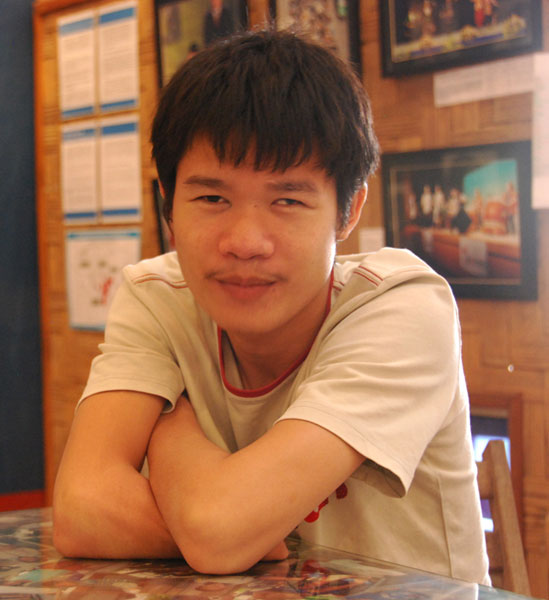
Peter Kim, a young bomb survivor, at the COPE centre
© UNICEF/Laos 2012/Andy Brown

Peter Kim is a victim of the Vietnam War. But he’s not a Vietnamese or American veteran; he’s a 20-year-old Lao youth living in Vientiane. Four years ago he lost both his hands and eyesight to one of the millions of unexploded bombs that still litter the Laos countryside almost four decades after the war ended.

Peter Kim grew up in a small rural village in Viangchan province, where his father grew rice and kept cows and buffalos. “On my sixteenth birthday, I went to school for an exam,” he told me. “I came home with my friend. On the way back, my friend saw something on the ground. He picked it up to show me. I tried to open it and that’s when it exploded. It happened very fast. Afterwards I couldn’t see or hear anything.”

Continue reading “Coping with tragedy: the legacy of war in Laos”