Vaccine of hope: teachers and parents get the COVID-19 jab

Teacher Rosemary Waithera gets the COVID-19 jab at Dandora 1 Health Centre, Nairobi
© UNICEF Kenya/2021/Lameck Orina

This story first appeared in The Star newspaper

In the small garden behind Dandora 1 Health Centre, a tent and table has been set up for COVID-19 vaccinations. Health workers sit at the table checking IDs and registering local residents who have turned up to get their jab – a mixture of teachers, health workers and older people. A small queue has formed, with people sitting on a bench or plastic chairs as they await their turn.

Dandora is home to both a densely packed urban community and one of the largest rubbish dumps in Africa. Outside the health centre, the sounds of children playing can be heard, along with boda boda motorbikes and the Friday call to prayers. A large graffiti mural shows a doctor with stethoscope advising residents to wear a mask, wash their hands, and keep physical distance, under the slogan “komesha korona” (stop coronavirus).

Continue reading “Vaccine of hope: teachers and parents get the COVID-19 jab”
Wild thing: visiting the Maasai Mara during a pandemic (pt2)

Moses looks out for wildlife through his binoculars, while Joyce and the kids have a snack
© Andrew Brown/2020/Kenya

The COVID-19 pandemic that swept the world in 2020 seemed to upend everything. Busy city streets became deserted, aeroplanes disappeared from the skies and face masks became ubiquitous. Having spent the first year of the pandemic in Nairobi and Hong Kong, we saw reminders everywhere we looked. But one place at least seemed unaffected: the Maasai Mara. Here, antelopes, giraffes and wildebeests kept grazing the savannah, exactly as before. Lions and cheetahs kept on hunting them, oblivious to our human disease. Even the semi-nomadic Maasai people continued life much as before, herding their cattle across the open plains.

Continue reading “Wild thing: visiting the Maasai Mara during a pandemic (pt2)”

Cheetah kill: visiting the Maasai Mara during a pandemic (pt1)

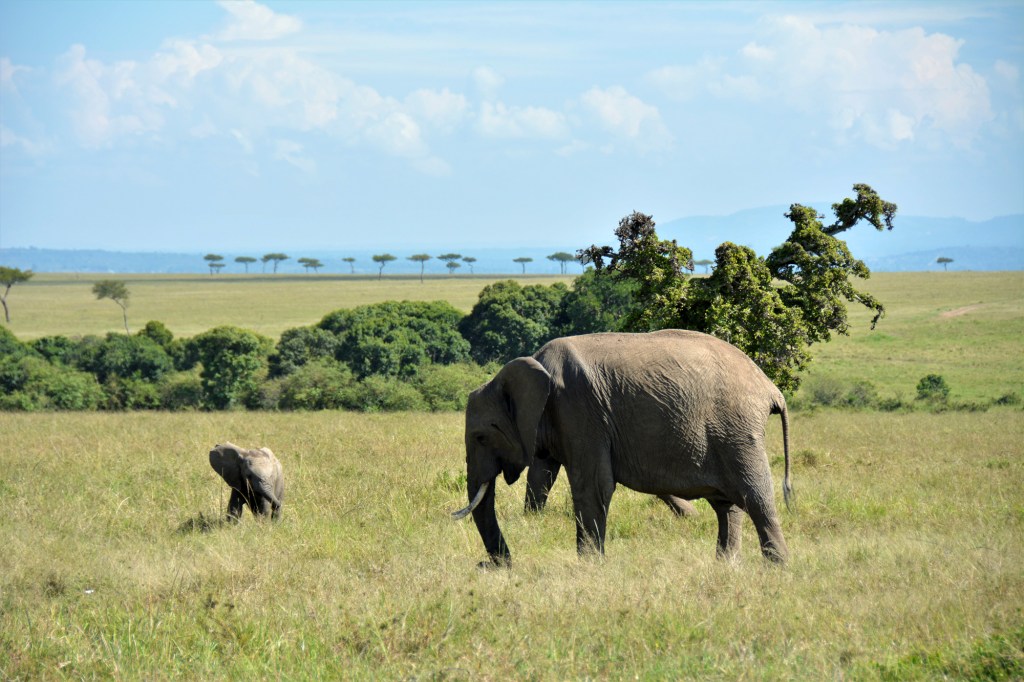
An elephant calf turns to look at its mother, in the Maasai Mara
© Andrew Brown/2020/Kenya

It was a clear November morning on the Maasai Mara. The afternoon storm clouds had not yet arrived, but the grass and trees were lush and green from the previous day’s rain. Wild animals roamed freely along the banks of the Mara River and through the savanna – herds of impala, giraffe and zebra, plus large numbers of wildebeest remaining from the recent ‘great migration’. This being Enonkishu Conservancy rather than the true national park, there were also occasional mud brick villages, schools and churches. Maasai herders, some wearing distinctive red shuka robes, watched herds of cattle or drove down the dirt roads on motorbikes. Continue reading “Cheetah kill: visiting the Maasai Mara during a pandemic (pt1)”

Sex for fish: teenage girls risk pregnancy and HIV

A woman carries a bucket of fish past fishing boats at Sindo Main Beach in Homa Bay
© UNICEF Kenya/2019/Andrew Brown

It is early morning at Sindo Main Beach in Homa Bay when the fishing boats arrive. The smell of fish is already strong in the air. White egret birds circle and call out, looking to steal a meal. As a new boat arrives, a man wading waist deep in the water shows it where to land. Dozens of women race forward to get their buckets in the boat, reserving a portion of the catch. Fishermen scoop up large handfuls of tiny omena fish, quickly filling up the buckets. Most women hand over 1,000 shillings ($10 USD) but a few do not. For these women, there is an understanding that they will meet the fisherman later for sex.

Continue reading “Sex for fish: teenage girls risk pregnancy and HIV”