Luang Prabang: monks procession at dawn

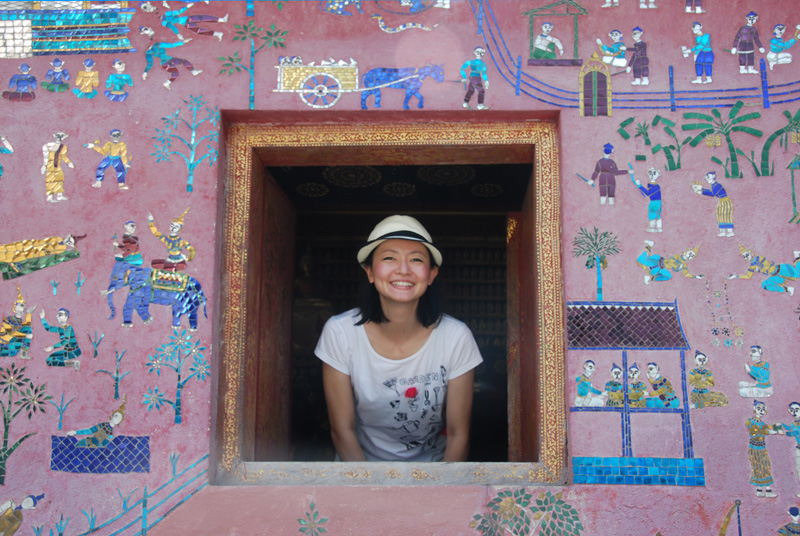
Joyce at Wat Xieng Thong. Having lost my camera memory card in January,
all these photos were taken on a return trip in October
© Andy Brown/Laos 2012

Luang Prabang is like a city adrift in space and time. The old royal capital of pre-communist Laos, it now feels like a cross between a suburb of Paris and a rural Thai village. It occupies a peninsular between the Mekong (see part two of this blog) and Nam Khan river, which takes a hairpin bend off the larger waterway. The main roads are lined with French restaurants, cafes and bakeries in colonial era buildings: brightly painted villas with wooden shutters on the windows. French tourists cycle lazily around between the cafes and sights, conversing in Gallic tones.

Continue reading “Luang Prabang: monks procession at dawn”

Laos: slow boat down the Mekong

Sunset at Huay Xai, Laos, looking back over the Mekong river to Thailand.
Having lost my camera memory card, this photo is from Lonely Planet

Coming from Thailand (see part one of this blog), Laos is both familiar and subtly different. The people are from the same ethnic group, they have a similar language and the same religion. The streets of a Lao town look very similar to those of a small rural Thai town. They have the same wooden stilt houses with the same spirit shrines in the corner. The shops accept Thai currency and locals sit in cafes watching melodramatic Thai soap operas on TV.

However, there are small but significant differences. Where in Thailand you see yellow royal flags hanging next to the national flag, in Laos their place is taken by red flags bearing the communist hammer and sickle. And where Thailand hustles and bustles, Laos moves at a slow, sleepy pace. Here, roads are often unpaved and bicycles and motorbikes are the main modes of transport. “Thai people view Laos as a backwards province of Thailand,” I was told in Bangkok, and while it’s true that the economic benefits of development were absent, so too were their darker side effects, like pollution, over-population and prostitution. It was in many ways a refreshing change.

Continue reading “Laos: slow boat down the Mekong”